





Olo Massage Clinic

At Olo Clinic, our mission is to enhance the well-being of our community through personalized care and evidence-based treatments. We strive to empower our patients by addressing not only their physical ailments but also their mental and emotional health. We believe that true wellness is achieved through a balanced approach that encompasses both mind and body.

A brand new way

There are various techniques, methods, materials, tools, and unique skills involved in massage therapy. The physical characteristics of clients, along with their lifestyle issues, personal preferences, and behaviour, are all crucial aspects we emphasise. These elements together significantly impact the quality of service provided. Therefore, we encourage you not to judge based solely on personal preferences, but to remain open-minded and willing to learn. Engaging in conversation will enable you to gain the maximum benefit from your massage experience. We are confident that every massage establishment, particularly the therapists providing the service, upholds strong ethics and genuinely desires to help others resolve issues and enhance their health.

Learn more

Creating better life

A good quality of life does not come from having a good massage therapist, rather you must be someone who studies and has discipline in taking care of your health.

“Don’t rush to believe everything we say, but try to consider it and apply it first. If you see the results, then you can believe.”

Learn More

How it works

  • Self-Awareness: Performing massage on yourself allows you to gain a better understanding of your body.
  • Convenience and Accessibility: Self-massage can be done anytime and anywhere, without the need for appointments or travel.
  • Cost-Effective: Regular self-massage can save you money in the long run. Instead of paying for professional massages, you can learn techniques to manage your own muscle tension and stress, reducing the need for frequent visits to a therapist.
  • Empowerment and Control: Engaging in self-massage gives you control over your own wellness routine.
Features

The best services

Massage can sometimes lead to soreness for several reasons: Release of Tension, Increased Blood Flow, Manipulation of Soft Tissue, Previous Injuries or Conditions.

Many times, we often make you feel pain, and it is followed by the question of what will happen next. And this is a good technique that is beneficial to you when you start to notice these things.

You may have to endure some sore or pain at times so we can work on the fibroids beneath the skin and muscles, but it will give you an amazing sense of relaxation after a few days.

FAQs

1. Swedish Massage
A classic and gentle form of massage that employs long, flowing strokes to promote relaxation and enhance circulation. Ideal for stress relief and overall body relaxation.
2. Deep Tissue Massage
This therapeutic technique focuses on deeper layers of muscle tissue. It’s beneficial for chronic pain, muscle tension, and injury recovery, using slower strokes and deep pressure to release knots and tension.
3. Remedial Massage
Tailored to address specific injuries, musculoskeletal issues, or chronic pain. This technique combines various modalities to restore health and function, often incorporating stretches and targeted pressures.
4. Sports Massage
Designed for athletes or active individuals, this massage focuses on areas of the body that are overused and stressed from repetitive movements. It can enhance performance, aid in recovery, and prevent injuries.
5. Trigger Point Therapy
This technique targets specific areas of tight muscle fibers, known as trigger points, to relieve pain and tension. Gentle pressure is applied to these areas, helping to release tightness that radiates discomfort.
6. Myofascial Release
A gentle technique used to release fascia (the connective tissue that surrounds muscles) by applying sustained pressure to specific areas. This approach helps alleviate pain, improve range of motion, and restore normal function.
7. Pregnancy Massage
Specially designed for expecting mothers, this massage provides relief from pregnancy-related aches and pains. Carefully performed with supportive positioning, it helps alleviate discomfort and promotes relaxation.
8. Hot Stone Massage
Involves the use of heated stones placed on specific points of the body to promote relaxation and improve circulation. The warmth helps to relax tight
9. Aromatherapy Massage
This massage incorporates the use of essential oils, enhancing the relaxation experience and providing additional therapeutic benefits. Different oils can be chosen to address various physical and emotional issues.
10. Reflexology
A technique that applies pressure to specific points on the feet, hands, and ears that correspond to different body organs and systems, aiming to promote holistic healing and balance throughout the body.
11. Shiatsu or Asian Bodywork
A form of Japanese massage that uses finger pressure along energy pathways, or meridians, to balance the body’s energy flow. It’s designed to stimulate healing and enhance overall well-being.
12. Thai Massage
Combines acupressure, yoga stretching, and traditional massage techniques. Performed on a mat instead of a table, clients remain fully clothed and are guided through stretches to enhance flexibility and relieve tension.

Why Choose Us?
At Olo Clinic, we customize each session to meet your individual needs and preferences. Whether you’re seeking relaxation, relief from pain, or recovery from an injury, our skilled therapists are here to support your wellness journey.

Yes, all of our therapists at Olo Clinic are licensed and certified professionals. Here are some key points about the qualifications of our massage therapists:

Licensed and Certified Therapists

1. State Licensure: Each therapist holds a valid state license to practice massage therapy, ensuring they have met all necessary educational and training requirements outlined by state regulations.
2. Certification: Our therapists have obtained certifications from recognized massage therapy schools and organizations. This includes training in various modalities and specialties, allowing them to provide a diverse range of services.
3. Continuing Education: We prioritize ongoing professional development. Our therapists regularly participate in continuing education courses and workshops to stay current with industry advancements, techniques, and best practices.
4. Specialized Training: Many of our therapists have additional certifications in specific massage techniques such as deep tissue, sports massage, aromatherapy, and more, enabling them to customize treatments based on individual client needs.
5. Professional Affiliations: Our therapists may be members of professional organizations, such as the American Massage Therapy Association (AMTA) or the Associated Bodywork & Massage Professionals (ABMP), which adhere to high ethical standards and practices.

Commitment to Quality Care
At Olo Clinic, we are dedicated to providing safe and effective massage therapy. Our licensed and certified therapists have the knowledge and skills to deliver tailored treatments that promote healing and well-being. Your safety and comfort are our top priorities, and we ensure that every session is conducted with professionalism and compassion.
If you have any questions about our therapists or their qualifications, feel free to reach out. We’re here to provide you with the best care possible!

Yes, in many therapy settings, you have the option to choose a specific therapist for your sessions. This can depend on the platform or service you are using, the availability of the therapist, and the policies of the therapy practice. Here are some steps to help you choose a specific therapist:

1. Research: Look into the backgrounds, specializations, and approaches of different therapists. Many therapy practices and online platforms provide detailed profiles of their therapists.
2. Consultation: Some services offer initial consultations or the chance to speak with a therapist briefly before committing to regular sessions. This can help you gauge compatibility.
3. Availability: Ensure that the therapist you are interested in is taking new clients and has availability that matches your schedule.
4. Preferences: Consider your personal preferences such as the therapist’s gender, age, cultural background, and therapeutic approach (e.g., cognitive-behavioral therapy, psychodynamic therapy, etc.).
5. Referrals and Recommendations: If you are given referrals or recommendations by friends, family, or other professionals, you might prioritize those options.

Once you have chosen a therapist that you think will be a good fit, you can usually request them specifically when you make an appointment. If the first therapist you choose doesn’t turn out to be a good match, many practices allow you to change therapists. Ultimately, the goal is for you to feel comfortable and supported.

Typical massage sessions can vary in length depending on the type of massage and the preferences of the client and the therapist. Common session lengths include:

1. 30 Minutes and under: Often used for targeted work on specific areas of the body, such as the neck, shoulders, or back (This program propably not enought for lower back and legs).
2. 45 Minutes: This is the most common session length, allowing enough time for a full-body massage or focused treatment on particular areas of tension.
3. 60 Minutes (1 Hour): Provides a more thorough full-body massage and allows extra time to address specific problem areas with greater detail.
4. 90 Minutes: This longer session is ideal for a deeply relaxing experience and for those with multiple areas of concern that need attention.

The length of the session can also depend on the client’s needs, objectives of the massage, and the type of massage being performed, such as Swedish, deep tissue, sports, or therapeutic. It’s best to discuss with your massage therapist what will work best for you to ensure that your specific needs and preferences are met.

Yes, many massage therapy providers and we also offer specialized options such as aromatherapy and hot stone massages. Here’s a brief overview of these options:

1. Aromatherapy Massage:
– Description: This type of massage incorporates the use of essential oils derived from plants. These oils are either inhaled through a diffuser or applied directly to the skin.
– Benefits: Essential oils are chosen for their therapeutic properties and can help to enhance the massage experience. Benefits might include relaxation, stress relief, improved mood, and relief from certain physical ailments.
– Customization: Clients often have the option to choose specific essential oils that align with their needs and preferences.

2. Hot Stone Massage:
– Description: In this massage, smooth, heated stones are placed on specific parts of the body and may also be used by the therapist to perform certain massage techniques.
– Benefits: The heat from the stones can help relax muscles, improve blood circulation, and alleviate pain and muscle tension. It is often particularly beneficial for those with muscle stiffness and tension.
– Experience: The warmth from the stones paired with the massage can provide a deeply relaxing and therapeutic experience.

If you are interested in these options, be sure to inquire with our massage therapist or the spa about our availability and any additional costs that may be associated with these specialized treatments. We offer these services as part of our menu of treatments, and we can often be customized to fit your personal needs and preferences.

Yes, you can and should request specific areas of focus during your massage. Communication with your massage therapist is key to ensuring that your session meets your needs and addresses any particular areas of concern you may have. Here’s how you can go about it:

1. Before the Massage:
– Consultation: Take advantage of any pre-massage consultation offered by the therapist to discuss your goals for the session. This is the time to mention any specific areas of discomfort, tension, or pain.
– Preferences: Let the therapist know if you have preferences regarding pressure levels, techniques, or areas you’d like them to concentrate on.

2. During the Massage:
– Feedback: Don’t hesitate to provide feedback during the session. If the pressure is too light or too intense, or if you’d like more time spent on a certain area, communicate this to your therapist.
– Comfort: If you experience any discomfort or have any specific requests as the massage progresses, speak up. Your comfort and satisfaction are important.

3. After the Massage:
– Follow-Up: Provide feedback about what worked well and any preferences for future sessions. This helps the therapist tailor future treatments to better suit your needs.

Common areas of focus might include:
– Neck and Shoulders: Especially for those with tension headaches or stress-related tightness.
– Back: For those experiencing chronic back pain or stiffness.
– Legs and Feet: Beneficial for people who stand for long periods or athletes with muscle soreness.
– Arms and Hands: Helpful for those with repetitive strain injuries or general tension.

Being clear about your needs helps the therapist provide the most effective and personalized massage experience.

Please visit our services for the pricing lists Click Here

However, factors that influencing price are:
1. Location: Prices can vary significantly by region or bases on our branches. Urban areas or high-demand locations normally charge higher rates than rural areas.
2. Therapist’s Experience and Qualifications: More experienced massage therapists or those with special certifications may charge higher rates.
3. Facility Type: Luxury spas, wellness centers, or clinics often charge more than independent therapists or smaller practices.
4. Length and Type of Massage: Longer sessions and more specialized massage types typically cost more.

For precise pricing, it’s best to check our website of the massage therapist or spa, or contact team directly. Some branches also offer packages or discounts for purchasing multiple sessions at once.

We offer packages and promotions to make services more affordable and attractive to clients. These can vary widely depending on the branches and the time of year. Here are some common types of packages and promotions you might find:

Our Common Packages and Promotions:
1. Session Packages (This package for disability mobile services only):
– Bulk Sessions: Purchase a set number of sessions at a discounted rate. For example, buying five 60-minute massages may come with a discount compared to paying per individual session.
– Monthly Memberships: Joining a monthly program where you get a certain number of massages each month at a reduced rate.
2. Special Deals:
– Introductory Offers: Discounts for first-time clients to try out the services.
– Seasonal Promotions: Special offers during holidays or specific seasons (e.g., holiday gift certificates, summer specials).
– Referral Discounts: Reduced rates or free add-ons when you refer new clients to the therapist.
3. Combination Packages:
– Couples Packages: Discounted rates for couples booking massages together.
– Combo Treatments: Packages that combine different types of treatments (e.g., a 60-minute massage plus a 30-minute facial or foot).
4. Special Occasion Packages:
– Birthday Specials: Discount or free add-on service for your birthday.
– Anniversary Packages: Special rates for sessions or packages to celebrate anniversaries.

– Check the Website: We list our current packages and promotions on the websites.
– Contact Directly: Call or email to us to inquire about any available deals.
– Social Media: Follow the us on social media platforms where we may announce promotions, especially last-minute deals or flash sales.
– Newsletters: Sign up for the provider’s newsletter to receive updates on new packages and special offers directly to your inbox.

Preparing for your massage can help you maximize the benefits of the session and ensure a relaxing and comfortable experience. Here are some tips on how to prepare for your massage:

Before the Massage
1. Hydrate: Drink plenty of water before your massage. Massage can release toxins from your muscles, and being well-hydrated helps your body flush them out.
2. Avoid Large Meals: Try to eat a light meal or snack an hour or two before your massage. Avoid heavy or greasy foods right before your session to prevent discomfort while lying on the massage table.
3. Shower: Taking a shower before your massage can help you feel fresh and relaxed. It’s also a courtesy to your therapist.
4. Wear Comfortable Clothing: Wear loose, comfortable clothing that is easy to remove. You’ll be given privacy to undress to your comfort level and cover yourself with a sheet or towel provided by the therapist.
5. Arrive Early: Arrive at least 10-15 minutes early to fill out any necessary paperwork, discuss your needs with the therapist, and give yourself time to relax before the session begins.

Communication with Your Therapist
1. Share Health Information: Inform your therapist of any medical conditions, allergies, injuries, or areas of concern. This helps them tailor the massage to your specific needs.
2. Set Expectations: Communicate what you hope to achieve from the massage (e.g., relaxation, pain relief, stress reduction). Let your therapist know if you have any specific areas you want them to focus on or avoid.
3. Discuss Comfort Levels: Let your therapist know about your preferred level of pressure (light, medium, firm) and any sensitivities you have. Don’t hesitate to provide feedback during the session if anything is uncomfortable or if you’d like adjustments.

During the Massage
1. Relax: Take deep breaths and allow yourself to relax. Relaxing your muscles will help the therapist work more effectively.
2. Communicate: Speak up if you feel any discomfort, if the pressure is too intense, or if you have any concerns. Your therapist wants you to have the best experience possible.
3. Breathe: Focus on your breathing to help you relax further. If you feel tension, take slow, deep breaths.

After the Massage
1. Hydrate Again: Drinking water after your massage helps flush out toxins released during the session.
2. Take It Easy: Try to schedule your massage when you don’t have to rush to other activities afterward. Give yourself time to enjoy the relaxed state and avoid strenuous activities.
3. Follow-Up: If your therapist provides any aftercare advice or exercises, follow them to maintain the benefits of your massage.

By following these tips, you can ensure a more comfortable and beneficial massage experience.

Yes, there are certain contraindications for massage therapy, meaning there are specific conditions or situations where massage should be avoided or modified. It’s important to share your complete health history with your massage therapist to ensure your safety and to allow the therapist to customize the session appropriately. Here are some common contraindications:

Absolute Contraindications
These are conditions where massage should be entirely avoided:
1. Fever: Massage can increase circulation and potentially worsen an infection.
2. Contagious Diseases: Conditions such as influenza, colds, or skin infections can spread to the therapist or affect other body parts.
3. Open Wounds or Sores: Areas with open wounds or skin conditions that might risk infection.
4. Severe Acute Injuries: Newly broken bones, severe sprains, or fractures.
5. Deep Vein Thrombosis (DVT): Risk of moving a blood clot, which can be life-threatening.
6. Severe Cardiovascular Conditions: Such as uncontrolled hypertension, heart attack, or stroke patients should avoid massage until receiving medical clearance.
7. Hemophilia: Blood clotting disorders can lead to excessive bruising or bleeding.
8. Cancer: Certain cancers or when undergoing chemotherapy or radiation therapy without the approval of an oncologist.

Relative Contraindications
These conditions may allow for massage with modifications and/or medical approval:
1. Recent Surgery: Depending on the type and site of surgery, you may need to avoid or modify your massage.
2. Pregnancy: Prenatal massages are safe during certain stages but should be performed by a therapist trained in prenatal massage.
3. Diabetes: Massage can affect blood sugar levels; it’s important to monitor and possibly adjust diabetic medications.
4. Varicose Veins: Direct pressure on varicose veins should be avoided.
5. Osteoporosis: Gentle massage techniques are required to avoid risk of fracture.
6. Autoimmune Diseases: Conditions like lupus or rheumatoid arthritis need special care and treatment adjustments.
7. Skin Conditions: Conditions like eczema, psoriasis, rashes, or recent sunburns can require modifications.
8. Psychological Conditions: Conditions like severe anxiety or PTSD may benefit from massage therapy but need a considerate and informed approach from your therapist.
9. High or Low Blood Pressure: Need careful monitoring and/or adjustment of techniques.
10. Infections or Inflammation: Areas of infection or inflammation should be avoided.

Specific Cases
1. Allergies: Inform your therapist of any allergies to lotions, oils, or essential oils to avoid allergic reactions.
2. Medications: Certain medications can affect how your body responds to massage (e.g., blood thinners or muscle relaxants).

Precautions for Specific Techniques
1. Deep Tissue Massage: Should be avoided over inflammation, wounds, and vulnerable or painful areas.
2. Hot Stone Massage: Avoided for clients with neuropathy or impaired sensation.

It’s crucial to share your full medical history and any current health issues with your massage therapist beforehand. This enables them to determine any contraindications and adjust their techniques accordingly. Always consult with your healthcare provider if you have any doubts about the safety of massage therapy for your specific condition.

The type of products used in massage therapy can vary depending on the therapist or spa, but we typically include oils, lotions, creams, and sometimes essential oils for aromatherapy. Here’s a detailed overview of each type of product:

Massage Oils
Characteristics:
– Common Oils: Sweet almond oil, jojoba oil, coconut oil, grapeseed oil, and sunflower oil.
– Texture: Smooth and provides a good glide without excessive friction.
– Absorption: Varies; some oils are more readily absorbed by the skin while others remain on the surface longer.
Benefits:
– Suitable for most skin types and sensitive areas.
– Typically non-greasy and do not stain clothing.
– Moisturizing properties which can leave the skin feeling soft and hydrated.

Massage Lotions
Characteristics:
– Brands: Biofreeze, Bon Vital, and Biotone.
– Texture: Lighter than oils, providing a combination of glide and control.
– Absorption: Absorbs more quickly than oils, resulting in less residue.
Benefits:
– Less likely to stain clothing or sheets.
– Ideal for deep tissue or sports massage where more grip and less glide is needed.
– Contains additives like aloe vera or vitamins to nourish the skin.

Massage Creams
Characteristics:
– Brands: Sacred Earth, Earthlite, and Soothing Touch.
– Texture: Thicker and richer, offering a balance between lotion and oil.
– Absorption: Medium absorption, can provide sustained glide without feeling too greasy.
Benefits:
– Provides a luxurious feel and is highly moisturizing.
– Good for a variety of massage techniques.
– Often hypoallergenic and suitable for sensitive skin.

Essential Oils (for Aromatherapy Massage)
Characteristics:
– Common Essential Oils: Lavender, peppermint, eucalyptus, tea tree, and chamomile.
– Usage: Added to carrier oils or lotions, or used in diffusers.
Benefits:
– Health and mood-enhancing properties.
– Can promote relaxation, alleviate stress, and help with specific conditions like muscle pain or tension headaches.

Specialized Products
1. Gels: Typically used for sports massage for their cooling or warming properties.
2. Balms: Thicker consistency, often used for therapeutic purposes to target sore muscles.
3. Salves: Infused with medicinal herbs or essential oils for targeted relief.

Considerations and Preferences
1. Allergies and Sensitivities: Always inform your therapist of any allergies to products or ingredients to avoid adverse reactions.
2. Organic and Natural Options: Many therapists and spas offer organic and natural products free from synthetic additives and chemicals.
3. Aromatherapy Preferences: Some clients may prefer unscented products or have specific scent preferences for relaxation or therapeutic purposes.

Provider Policies
Each massage therapist or spa may have their preferred brands and types of products they consistently use. They may also offer choices to the client or use products specially formulated for particular needs (e.g., hypoallergenic, organic).
If you have specific preferences or concerns regarding the products used during your session, it’s a good idea to communicate these ahead of time. Most massage therapists are willing to accommodate requests to ensure a comfortable and beneficial experience.

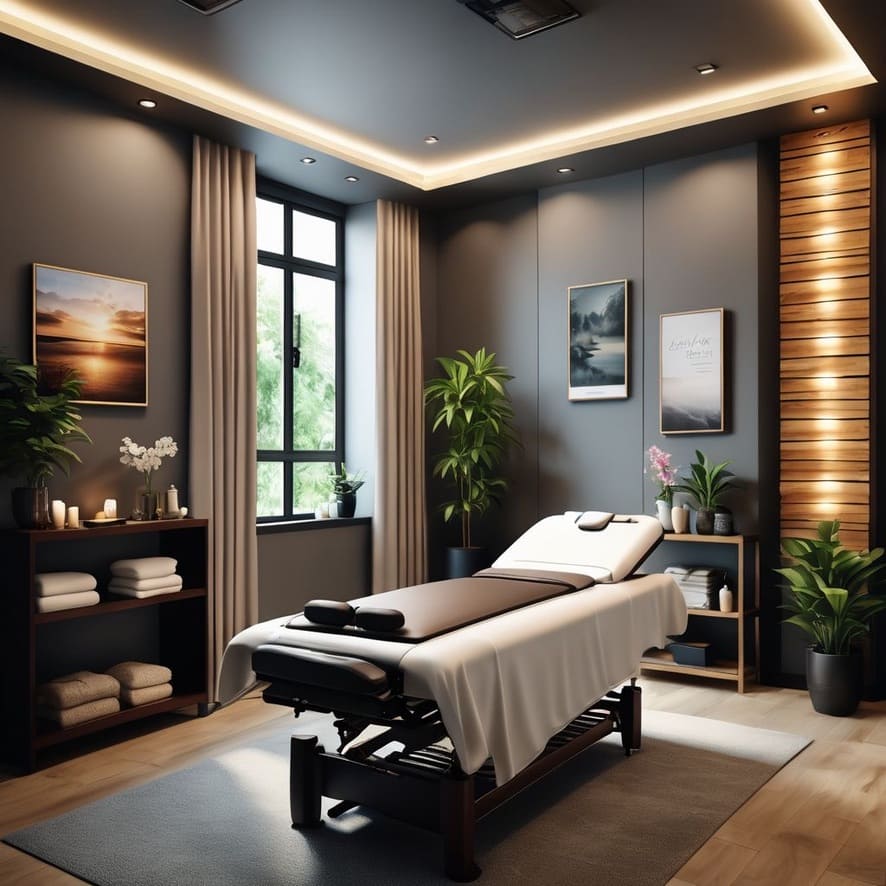
We provide a quiet or relaxation area where clients can unwind before your session. 
Typical Features of our Relaxation Area
1. Comfortable Seating: Lounge chairs, couches, or recliners where you can sit comfortably.
2. Soothing Atmosphere: Dim lighting, calming music, and perhaps aromatherapy to create a serene environment.
3. Refreshments: Complimentary water, herbal teas, or light snacks to hydrate and relax.
4. Reading Materials: Magazines or books focused on wellness and relaxation.
5. Tranquil Decor: Natural elements such as plants, water features, and soft furnishings to enhance relaxation.
6. Personal Space: Areas where you can sit quietly and perhaps meditate or simply enjoy some peaceful time alone.

Benefits of Relaxing Before Your Session
1. Mental Preparation: Helps you transition from the busyness of daily life to a more relaxed state, making it easier to fully benefit from your massage.
2. Physical Relaxation: Allows your muscles to start relaxing before the session begins, making it easier for the therapist to work on any areas of tension.
3. Hydration: Drinking water beforehand helps prepare your muscles and tissues for the massage.
4. Stress Reduction: Reduces overall stress and anxiety, which can enhance the effectiveness of the massage.

How to Find Out
– Check the Website: Look at our website for information about the facilities.
– Call Ahead: Contact us directly to inquire if we have a relaxation area and what amenities are provided.
– Tour the Facility: If possible, visit the facility beforehand to see the relaxation area and ensure it meets your expectations.

Tips for Enjoying the Relaxation Area
1. Arrive Early: Aim to arrive 15-30 minutes before your appointment. This gives you time to unwind without feeling rushed.
2. Disconnect: Turn off or silence your phone to fully immerse yourself in the relaxing atmosphere.
3. Focus on Breathing: Take deep, calming breaths to help center your mind and body.
4. Stay Hydrated: Drink some water or tea to keep your body well-hydrated before the session.

Utilizing the relaxation area can significantly enhance your overall experience, setting a tranquil tone for your massage therapy session and helping you achieve a deeper state of relaxation. If the facility you are visiting does not have a designated relaxation area, consider practicing some quiet time at home before you leave for your appointment to help achieve the same calming effect.

Yes, we do have provide some as follows:

Body Treatments
Hot Stone Treatments:
– Heat from smooth stones can be placed on the body or used during the massage for deep muscle relaxation and increased blood flow.

Holistic and Wellness Services
1. Aromatherapy:
– Use of essential oils during treatments to promote relaxation and address specific conditions like stress or insomnia.
2. Reflexology:
– A therapeutic method involving pressure applied to specific points on the feet, hands, or ears to promote healing and wellness.
3. Acupuncture/Acupressure:
– Based on traditional Chinese medicine, these practices involve inserting fine needles or applying pressure to specific body points to alleviate pain and promote healing.

Spa Packages
1. Combination Packages:
– Half-Day or Full-Day Packages: Combine multiple services like massages, facials, body scrubs, and other treatments for a comprehensive wellness experience.
– Customized Packages: Allow clients to select a combination of services tailored to their preferences.
2. Couples Packages:
– Designed for two people, often including a couples massage and additional treatments performed in a private suite for a shared, romantic experience.

Experiencing discomfort during a massage can sometimes happen, and it’s important to address it promptly to ensure you have a positive and beneficial experience. Here are steps you can take if you feel uncomfortable during your massage:
1. Communicate Immediately
Speak Up: Let your therapist know as soon as you start to feel uncomfortable. Remember, clear and open communication is key. You can say something like:
– “That pressure is a bit too much; could you lighten up a bit?”
– “I’m feeling some discomfort in this area; could we avoid it?”
– “I’m not comfortable with this particular technique. Can we try another?”
2. Be Specific
Describe Your Discomfort: Specify what is making you uncomfortable. Is it the pressure, temperature, room ambiance, or the specific technique being used? Being specific helps your therapist make the necessary adjustments. For example:
– “The pressure on my neck is too firm.”
– “It feels too warm in the room.”
– “I prefer fewer oils or lotions.”
3. Adjust Your Position
Reposition Yourself: Sometimes, simply adjusting your position can alleviate discomfort. If you feel uneasy lying face down for an extended period or if a particular position is causing strain, let your therapist know so they can help you find a more comfortable posture.
4. Request Modifications
Change Techniques or Areas: If a particular technique is not working for you, request a change. For instance:
– “Could you use more/less pressure?”
– “Can we focus on a different area?”
5. Take Breaks if Needed
Pause the Session: If at any point you feel the need to take a break, don’t hesitate to ask. You are allowed to pause and resume the massage as needed:
– “Could we take a short break?”
– “I need to adjust myself before continuing.”
6. Trust Your Instincts
Trust Your Feelings: If something doesn’t feel right, trust your instincts. Your comfort and wellbeing are paramount. If making adjustments isn’t helping, it’s okay to end the session early:
– “I think I need to stop the session for now.”
7. Post-Massage Feedback
Discuss After the Session: After the session, provide feedback to your therapist which can help them understand your needs better for future treatments:
– “I felt more comfortable when you lightened the pressure.”
– “The music was too loud for me.”
8. Choose Another Therapist if Necessary
Find Someone Who Suits You: If you consistently feel uncomfortable despite communicating your needs, it might be worthwhile to try a different therapist whose style might better match your preferences.
9. Self-Care Post-Massage
Post-Session Self-Care: Take care of yourself after the massage. Drink water, rest, and monitor how your body feels. If any issues persist, consider consulting a healthcare provider.

Tips for Preventing Discomfort
1. Pre-Massage Communication: Discuss any specific issues, injuries, or preferences before the session begins.
2. Medical History: Inform your therapist about any medical conditions or areas that need to be avoided.
3. Allergies: Notify your therapist of any allergies to oils, lotions, or scents used during massage.

Remember, the goal of massage therapy is to promote relaxation, healing, and wellness. Your massage therapist’s mission is to provide a beneficial and comfortable experience, and they rely on your feedback to make sure that happens.

To ensure cleanliness and hygiene in our massage parlor is crucial for the health and safety of clients and staff. High standards of hygiene can prevent the spread of infections and enhance the overall experience. Here are the key practices typically followed to maintain cleanliness and hygiene in our clinic:
1. Sanitization and Disinfection Protocols
– Surfaces: All surfaces, including counters, massage tables, and equipment, are disinfected with hospital-grade or EPA-approved disinfectants between each client.
– Common Areas: Reception areas, waiting rooms, and restrooms are cleaned regularly throughout the day.
– High-Touch Areas: Doorknobs, light switches, and other high-touch surfaces are sanitized frequently.
2. Linens and Towels
– Fresh Linens: Clean sheets, towels, and face cradle covers are used for each client. Linens are washed with hot water and appropriate detergents to ensure sterilization.
– Laundering: Towels and linens are laundered after each use, and facilities often use commercial-grade washing machines and detergents.
3. Therapist Hygiene
– Hand Hygiene: Therapists wash their hands thoroughly with soap and water before and after each session, and also use hand sanitizer.
– Personal Protective Equipment (PPE): Depending on local health regulations and client preferences, therapists may wear masks, gloves, and other protective gear.
– Uniforms: Staff uniforms are kept clean and changed regularly.
4. Treatment Room Hygiene
– Clean Equipment: All massage tools and devices, including stones, implements, and electronic equipment, are cleaned and disinfected between uses.
– Disposable Covers: Use of disposable face cradle covers and examination paper on massage tables that are changed after each client.
– Ventilation: Proper ventilation in treatment rooms to ensure fresh air circulation and to minimize airborne contaminants.
5. Client Hygiene
– Pre-Session Procedure: Clients may be asked to wash their hands or use hand sanitizer upon arrival.
– Health Screening: Some spas conduct health screenings, including temperature checks and health questionnaires, to ensure clients are not showing symptoms of contagious illnesses.
6. Product Hygiene
– Single-Use Products: Whenever possible, single-use products are utilized, such as lotions, oils, and other spa items in small, individual containers.
– Sanitization: Jars, bottles, and containers are wiped down with disinfectant regularly to prevent contamination.
7. Facility Cleanliness
– Deep Cleaning: Regular deep cleaning of the entire facility, including less obvious areas like air ducts and hidden corners.
– Pest Control: Regular pest control measures to maintain a sanitary environment.
– Waste Disposal: Proper disposal of waste, especially with items like used tissues, disposable PPE, and other single-use items.
8. Staff Training
– Regular Training: Ongoing training for staff on the latest hygiene and sanitation protocols.
– Certifications: Ensuring staff are certified or trained in hygiene practices as recommended by health authorities.
9. Client Policies
– Cancellation Policy: Encourage clients who are unwell to reschedule their appointments without penalty to prevent the spread of illness.
– Notice and Signage: Clear signage reminding clients of hygiene practices, such as handwashing, and informing them about the spa’s hygiene protocols.
10. Monitoring and Compliance
– Routine Inspections: Regular internal inspections to ensure compliance with hygiene protocols.
– Feedback Mechanism: Easy ways for clients to provide feedback about cleanliness and hygiene standards they observe.

Industry Standards and Regulations
– Adherence to Guidelines: Following local, state, and national health department regulations and guidelines.
– Professional Organization Standards: Compliance with standards set by professional organizations, such as the International Spa Association (ISPA) or local massage therapy boards.

By implementing these rigorous hygiene and cleanliness practices, we can ensure a safe environment for clients and staff, which is foundational to providing a relaxing and trustworthy experience.