Massage Endangerment Sites: Areas Requiring Extra Care

What Are Massage Endangerment Sites?

Massage endangerment sites are areas where nerves, blood vessels, organs or other sensitive structures lie relatively close to the surface or have limited protection from surrounding tissue.


These areas are not automatically “no-touch zones.” However, they require sound anatomical knowledge, appropriate positioning, careful pressure and ongoing communication with the client. Deep, sustained or poorly directed pressure may cause pain, nerve irritation, bruising or injury.


A qualified therapist should always consider the client’s health history, symptoms and individual anatomy before deciding whether an area is appropriate to treat.

Why These Areas Require Extra Care

Safe massage is not simply about using lighter pressure. It involves understanding:

  • What structures lie beneath the therapist’s hands
  • The direction and depth of the applied pressure
  • Whether the client has relevant medical conditions or recent injuries
  • Whether treatment is within the therapist’s training and scope of practice
  • How the client responds during and after treatment

Sharp pain, burning, tingling, numbness, dizziness, nausea or other unusual symptoms should never be treated as something the client must “push through.”

Common Massage Endangerment Sites

Anterior triangle of the neck

1. Anterior Triangle of the Neck

The front and side of the neck contain structures including the carotid arteries, jugular veins, vagus nerve, airway and thyroid gland.


Direct, deep or sustained pressure over the carotid pulse and anterior throat should be avoided. Treatment around this area should be precise, conservative and supported by clear anatomical reasoning.

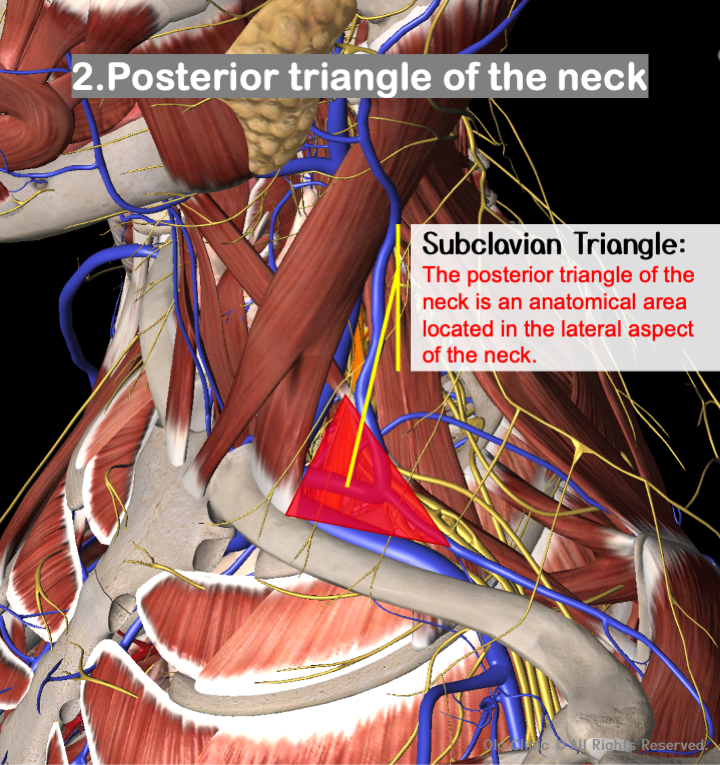
2. Posterior Triangle of the Neck

This region lies between the sternocleidomastoid and trapezius muscles. It contains parts of the brachial plexus and several superficial nerves and blood vessels.


Poorly directed pressure may reproduce tingling, burning or radiating sensations into the shoulder or arm. Any neurological symptoms require immediate modification or cessation of the technique.

Posterior triangle of the neck
Axillary area

3. Axilla

The axilla, or armpit, contains the axillary artery and vein, lymph nodes and major components of the brachial plexus.


Deep compression should not be applied indiscriminately. Swelling, enlarged lymph nodes, unexplained lumps, infection or recent surgery require additional screening and may need medical assessment.

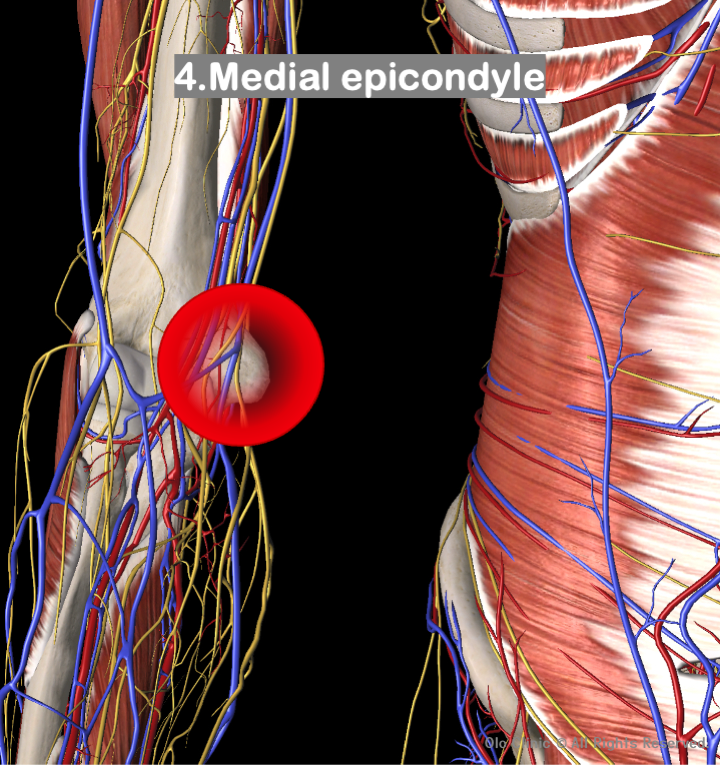
4. Medial Elbow

The ulnar nerve passes behind the medial epicondyle the area commonly known as the “funny bone.”

Direct pressure may cause an electric, tingling or shooting sensation into the forearm and hand. Pressure should be controlled carefully and moved away from the nerve if neurological symptoms occur.

Medial epicondyle
Lateral epicondyle

5. Lateral Elbow

The outer elbow contains relatively superficial bony and soft-tissue structures and may be sensitive when irritated by overuse or injury.


Although it is not identical in risk to the medial elbow, aggressive pressure over an acutely painful tendon attachment, inflamed tissue or superficial nerve should be avoided.

6. Anterior Throat and Suprasternal Notch

The anterior throat contains the airway, thyroid gland and major vascular and neurological structures. The suprasternal notch lies immediately above the sternum.


This region should not receive deep or sustained compression. Treatment around it must respect the client’s breathing, comfort and vascular structures.

Sternal notch and anterior throat
Umbilicus area

7. Abdomen and Umbilical Region

The abdominal wall protects underlying organs, but its level of protection varies considerably between individuals.


Abdominal massage requires informed consent, appropriate training and careful screening. Pregnancy, recent surgery, unexplained abdominal pain, hernia, digestive symptoms or a pulsating abdominal mass may make treatment inappropriate or require medical advice.

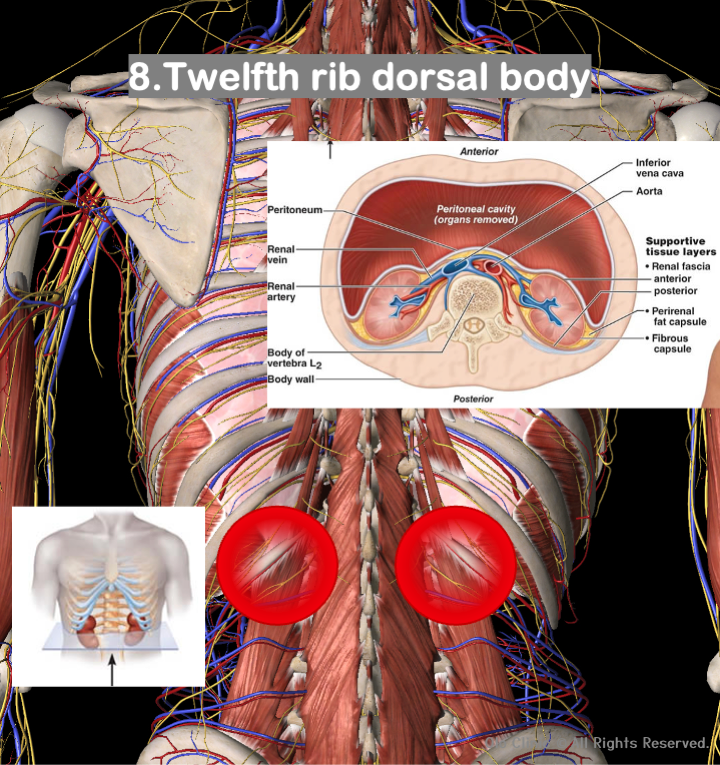
8. Twelfth Rib and Kidney Region

The twelfth rib is shorter and more mobile than the ribs above it. The kidneys also lie deep in the posterior abdominal region and are only partly protected by the lower ribs.


Forceful pressure directed toward the twelfth rib or deep into the upper lumbar area should be avoided, particularly following trauma or when the client has unexplained flank pain.

Twelfth rib dorsal body
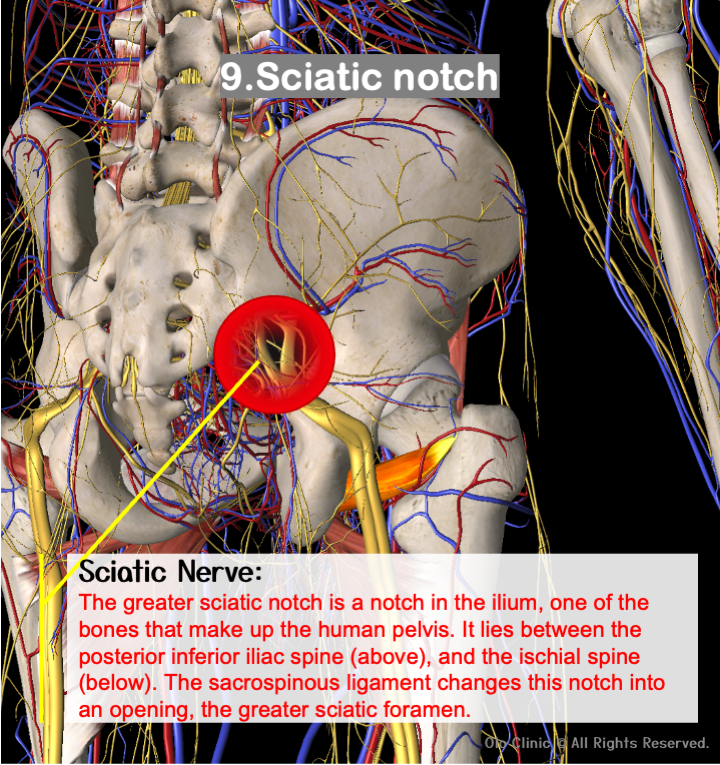
Sciatic notch

9. Greater Sciatic Notch and Deep Gluteal Region

The sciatic nerve and other important neurovascular structures pass through the deep gluteal region.


Deep pressure is not automatically contraindicated, but it must be applied with anatomical precision. Shooting pain, numbness, tingling or symptoms travelling down the leg indicate possible neural irritation and should not be pursued.

10. Inguinal and Femoral Triangle

The groin contains the femoral nerve, artery, vein and lymphatic structures.


This is a sensitive and professionally bounded area. Treatment requires a clear clinical purpose, explicit informed consent, appropriate draping and strict respect for the client’s comfort and privacy. Deep direct compression over the femoral pulse should be avoided.

Inguinal triangle
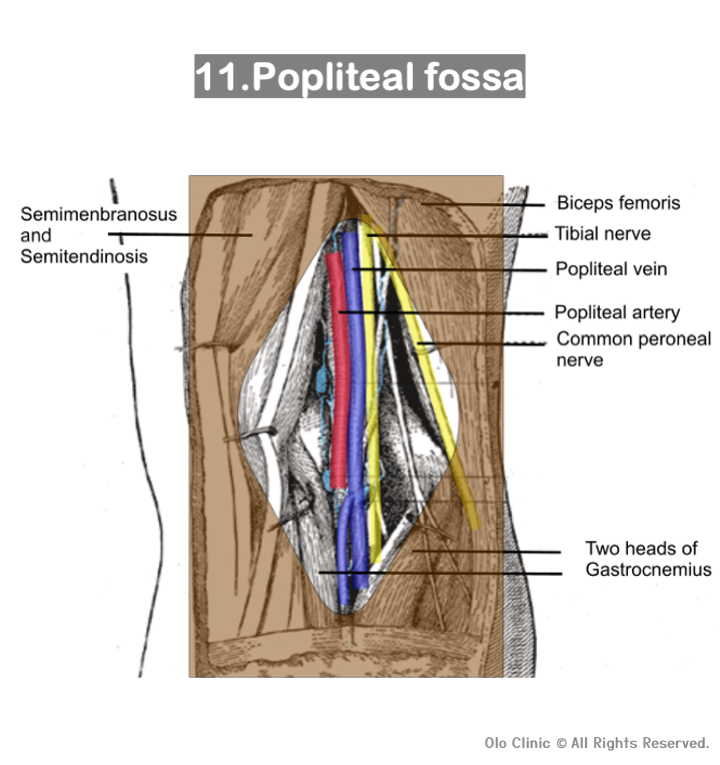
Popliteal fossa

11. Popliteal Fossa

The hollow behind the knee contains the popliteal artery and vein, tibial nerve and common fibular nerve nearby.


Direct or sustained pressure into the centre of the fossa should be avoided. Unexplained calf swelling, heat, redness, tenderness or sudden leg pain may indicate a potentially serious condition and should be medically assessed rather than massaged.


Endangerment Sites Are Not the Same as Contraindications

An endangerment site is an anatomical area requiring additional care. A contraindication is a condition or circumstance in which massage may need to be modified, postponed or avoided.


Examples requiring further assessment include:


Suspected blood clot or unexplained one-sided swelling
Acute infection, fever or inflamed skin
Open wounds, burns or recent surgical sites
Unexplained lumps or enlarged lymph nodes
Recent fracture or significant trauma
Active bleeding or a serious bleeding disorder
Sudden weakness, numbness or loss of coordination
Severe or unexplained pain
Symptoms suggesting a medical emergency


Massage should not be used to investigate or treat a potentially serious medical condition.

At Olo Clinic, pressure is not selected simply according to how firm a client prefers the massage to feel. Treatment decisions are based on health history, presenting symptoms, anatomical location, tissue response and the intended clinical outcome.


Before and during treatment, we may:


Ask about relevant medical conditions, medication, injuries and surgery
Assess pain, movement and sensitivity
Explain why a technique or area may need to be modified
Obtain consent before treating sensitive regions
Adjust or stop treatment when symptoms indicate that it is unsafe to continue
Recommend medical assessment when massage is not appropriate


Effective treatment should be purposeful and tolerable. More pressure is not automatically more therapeutic.

Tell your therapist immediately if you experience:

  • Sharp, electric or shooting pain
  • Burning, tingling or numbness
  • Dizziness, nausea or difficulty breathing
  • A sudden headache or visual disturbance
  • Unexpected weakness
  • Pressure that feels threatening or unsafe

You may withdraw or change your consent at any time during treatment.


A Final Note

Understanding massage endangerment sites is one part of safe clinical practice. These guidelines cannot replace individual assessment, informed consent, professional training or referral when symptoms fall outside the therapist’s scope of practice.


If you are unsure whether massage is appropriate for your condition, contact Olo Clinic before booking or consult an appropriate healthcare professional.

Explore More Topics

Continue learning by exploring the area that interests you. Each category offers practical, evidence-informed information to help you better understand the body, pain, treatment and recovery.