Explore, Understand, Learn Together

Understanding your body should not be a one-way conversation.

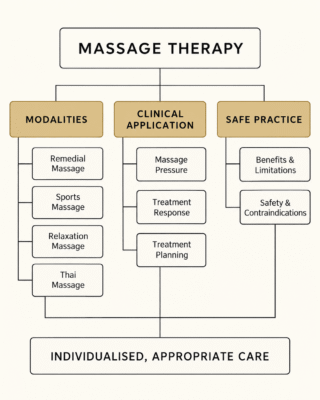
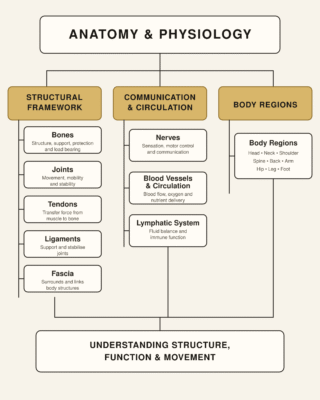
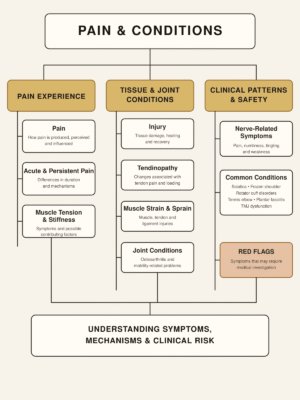
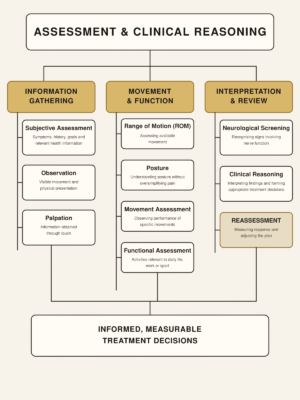
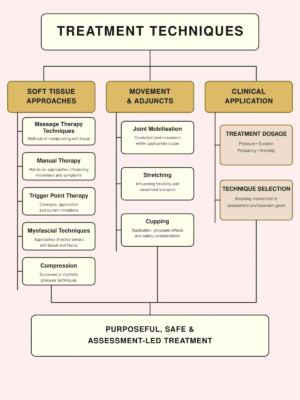
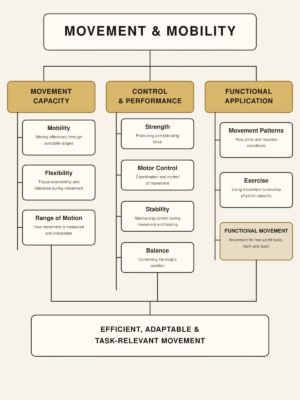
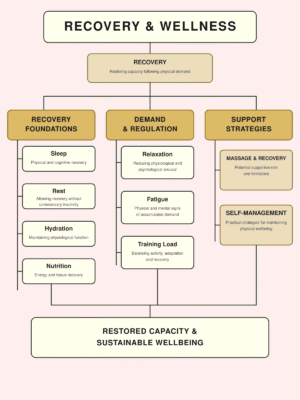
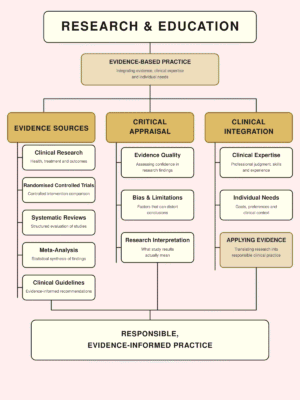
At OLO Therapy, we believe better care begins with better understanding. Our Knowledge Hub brings together information about the human body, pain, movement, assessment, treatment, recovery, and research — helping therapists and the people they work with explore these topics together.

You do not need to be a healthcare professional to start learning.

Whether you are trying to understand a new symptom, preparing for a treatment, studying massage therapy, or looking for evidence behind a particular approach, this resource is designed to help you ask better questions and make more informed decisions.

A unique balance of ancient and modern treatments

See all treatments

Explore the knowledge base

Learn With Your Therapist

The best questions do not always have immediate answers.

A symptom can have multiple contributing factors. A treatment that helps one person may not produce the same result for another. And sometimes the most useful step is not another treatment, but a better assessment or a different perspective.

Use these resources as a starting point for conversation.

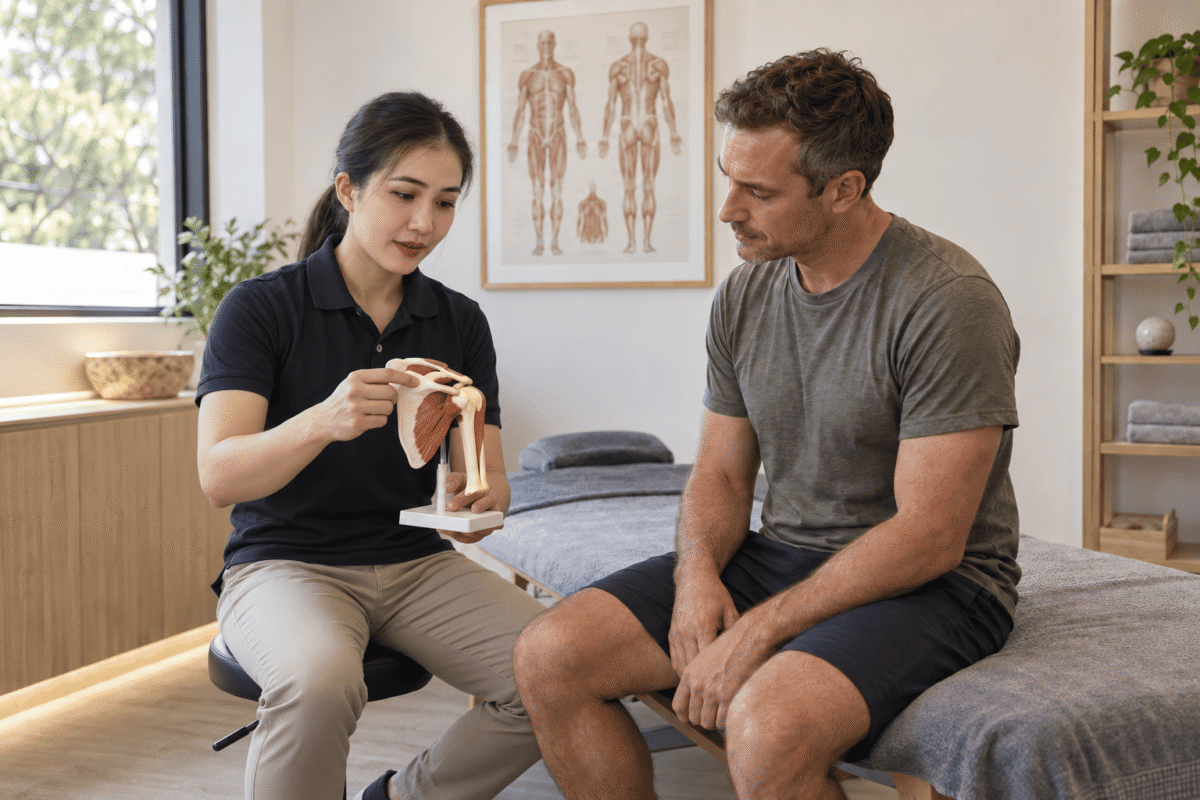
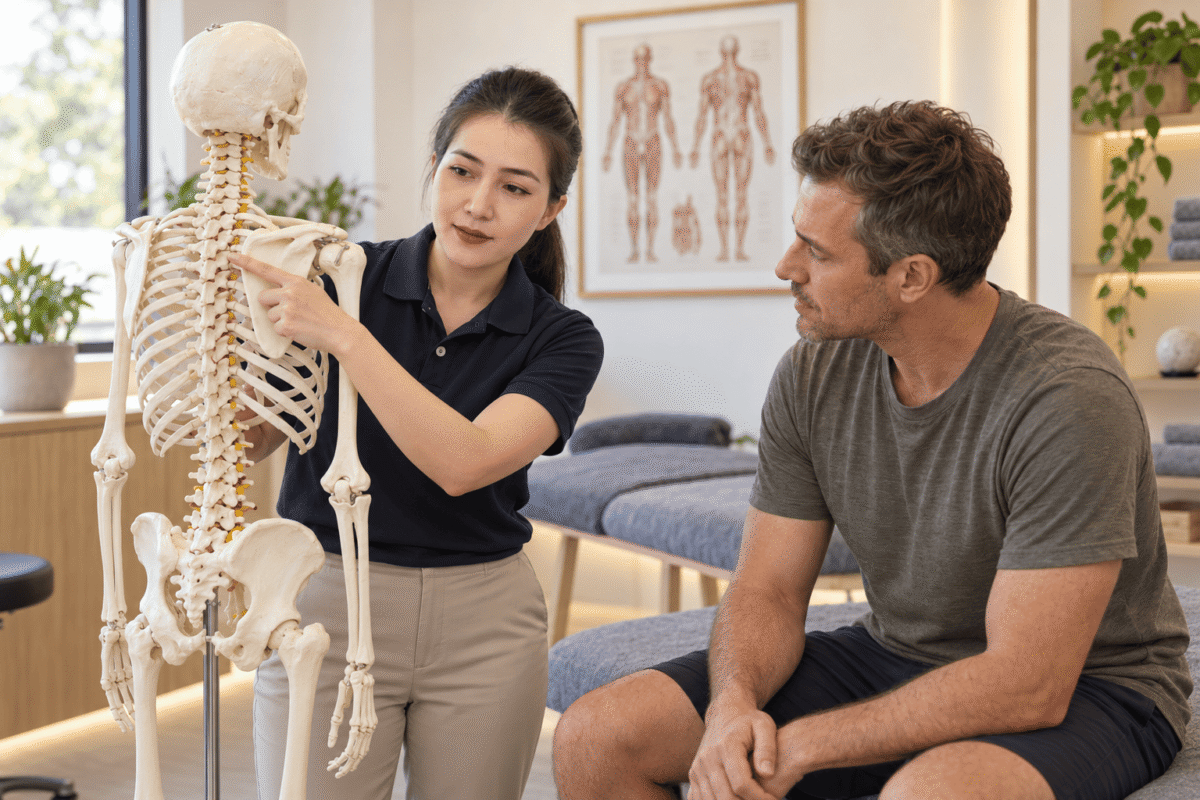
Bring what you learn to your therapist.

Ask questions.

Discuss different possibilities.

Compare what you are experiencing with what you are learning.

The goal is not to replace professional assessment. The goal is to make the conversation between practitioner and patient more informed.

From Information to Understanding

A single article can answer a question.

Connected knowledge can help you understand the bigger picture.

You might begin with:

“Why does my neck hurt?”

and discover:

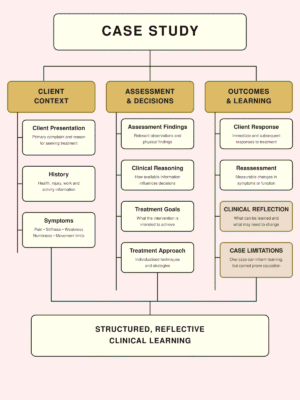
Neck → Anatomy → Pain → Assessment → Condition → Treatment → Movement → Recovery → Reassessment

Each topic leads to another, allowing you to explore the body from different perspectives.

This is how the OLO Knowledge Hub is designed — not as a collection of isolated articles, but as a connected learning system.


Keep Exploring

You can start with a symptom, a body region, a treatment technique, or a research question.

There is no single correct place to begin.

Choose a topic. Ask a question. Explore the evidence. Learn something new.

And when appropriate, bring that knowledge into your next conversation with your healthcare professional or therapist.

“The goal is not to replace professional assessment. The goal is to make the conversation between practitioner and patient more informed.”

– INDY KIRATIKAN