
Why Does Technique Selection Matter?
Massage techniques include different ways of applying pressure, movement, stretching or heat to the body.
A technique should not be selected simply because it feels intense or has a popular name. The therapist should choose it according to the client’s symptoms, treatment goals, health history and response.
“I do not begin a treatment by deciding which technique I want to use. I first assess what you need, then choose the technique that gives us the best reason to expect a useful result.”
No single massage technique works best for everyone. Light pressure can sometimes produce a meaningful change, while deeper pressure may aggravate an already sensitive area. A skilled therapist should adjust the technique during treatment and reassess the result afterwards.
Swedish Massage
Description: Swedish massage commonly uses flowing strokes, kneading and gentle rhythmic movements.
These techniques may support relaxation, reduce the feeling of tension and provide a comfortable introduction to massage. The pressure can range from light to firm according to the client’s preference and health.
Benefits: Relaxes the entire body, improves circulation, enhances flexibility.
Deep Tissue Massage
Description: Remedial massage focuses on a specific problem, movement or functional goal. Treatment may include sustained pressure, slower strokes, soft-tissue techniques and movement assessment.
Deep pressure is not automatically more effective. The therapist should use only the intensity needed to create a useful response without causing unnecessary pain or prolonged soreness.
Benefits: Releases chronic muscle tension, alleviates pain associated with injury or muscle disorders.
Sports Massage
Description: Sports massage considers the person’s activity, training demands and recovery needs.
Techniques may change before or after exercise. Treatment should support comfortable movement and training rather than promise to prevent every injury or improve performance by itself.
Benefits: Improves athletic performance, reduces soreness, aids in injury prevention.
Trigger Point Therapy
Description: Trigger-point techniques apply controlled pressure to a sensitive area. Myofascial techniques use pressure or movement to influence how the tissues feel and move.
These methods may temporarily reduce sensitivity or improve movement. They do not physically “break” knots or permanently reshape fascia.
Benefits: Relieves localized pain and tension, enhances overall muscle function.
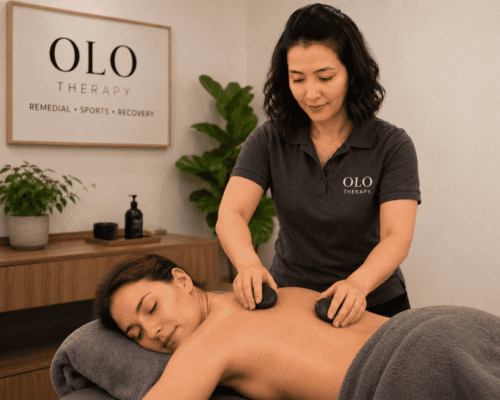
Hot Stone Massage
Description: Heat, hot stones and cupping may complement a massage when they suit the client and treatment goal.
These tools do not remove toxins or guarantee faster healing. The therapist must consider skin condition, sensation, circulation, medication and other health factors before using them.
Benefits: Promotes deep relaxation, improves circulation, can target tension areas.
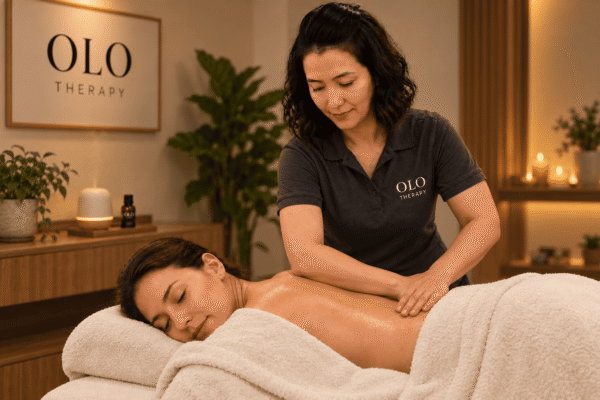
Aromatherapy Massage
Description: Combines massage with the use of essential oils.
Benefits: Provides both physical and emotional benefits, enhances relaxation and well-being.
Thai Massage
Description: Thai massage may combine pressure, assisted movement and stretching.
The therapist should adapt each movement to the client’s mobility, health and comfort. Stretching should never force a joint beyond a safe range or reproduce sharp pain, numbness or tingling.
Benefits: Increases flexibility, reduces tension, energizes the body.
The Facts
The technique is only a tool. What matters is whether it helps the client move, function or feel better.
Trigger-point techniques apply controlled pressure to a sensitive area. Myofascial techniques use pressure or movement to influence how the tissues feel and move.
These methods may temporarily reduce sensitivity or improve movement. They do not physically “break” knots or permanently reshape fascia.
Heat, hot stones and cupping may complement a massage when they suit the client and treatment goal.
These tools do not remove toxins or guarantee faster healing. The therapist must consider skin condition, sensation, circulation, medication and other health factors before using them.
The name of the technique matters less than the result.
After treatment, ask:
- Is the relevant movement easier?
- Has the discomfort changed?
- Can you perform the important activity more comfortably?
- Did the improvement continue?
- Did the treatment cause an unwanted response?
Treatment should change when the technique does not produce a useful or tolerable result.
Your Body Talks. Learn to Listen.
When you feel pain, what’s your first reaction?
Ignore it? Take something? Stretch it? Massage it? Or wait three months and hope it magically disappears?
Be honest. We’ve all tried the last one.

Ask it. Even if you think it’s a ridiculous question.
Someone else has probably wondered exactly the same thing.
