
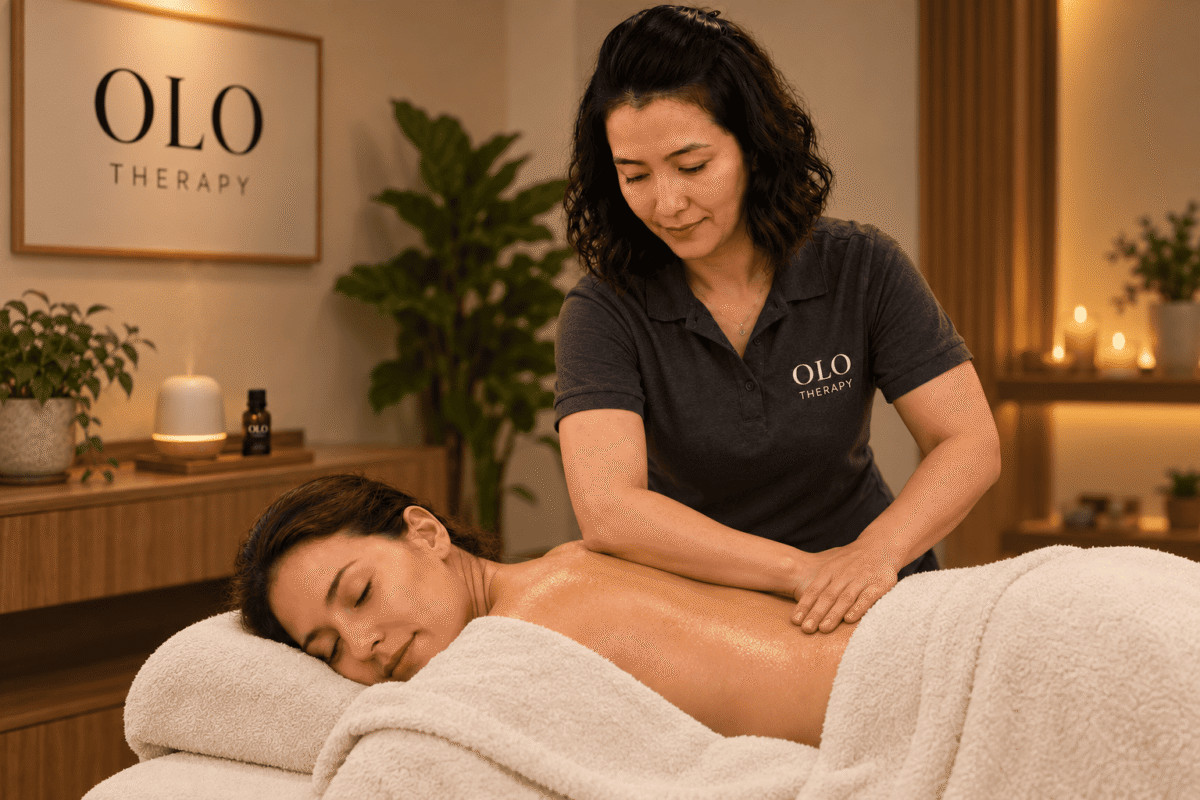
Relaxation Massage
You Do Not Need a Problem to Solve
You answer messages during lunch. You plan tomorrow while finishing today. Even when you finally sit down, part of your attention is still somewhere else.
Then someone asks why you want a massage, and you feel you ought to name an injury or a painful muscle.
“I’ve been busy, but I’m fine.”
“I would like time to rest” is a complete answer. A relaxation massage can be planned around your comfort. You can tell us what you enjoy, what you would rather avoid and what would help you feel at ease.
Three ways people think about relaxation massage
“I should save it for when something hurts.”
This person sees massage as something to book only after a problem appears. If nothing is seriously wrong, they feel they cannot justify the appointment.
But rest does not need to be earned by reaching a breaking point. It is reasonable to choose a massage because you enjoy the experience and want time set aside for yourself. That is a different goal from seeking treatment for a specific movement or symptom, and it is useful to say so.
“If the pressure is light, nothing is happening.”
This person asks for firm pressure even though their main goal is to relax. Halfway through, they notice that they are bracing against the table.
A relaxation massage does not need to be deep to meet its purpose. The pressure should feel right for you. If you spend the session waiting for a technique to end, let your therapist know so they can adjust it.
“I know what helps me feel comfortable.”
This person tells the therapist that they prefer quieter conversation, lighter pressure on their legs or extra support when lying down. They might want attention on their shoulders, or they might simply want an unhurried session.
You do not need to plan every detail. Sharing a few preferences gives your therapist a better starting point, and you can change your mind during the massage.
Relaxation massage is a massage session planned primarily around comfort and the experience of resting. The therapist can adjust the pace, pressure and areas treated to suit your preferences and relevant health information.
The terms are often used together. Swedish massage commonly refers to techniques such as flowing strokes and kneading, while relaxation massage describes the main purpose of the session. Ask your therapist what their appointment includes, as approaches can vary.
No. You can choose relaxation massage simply because you want the experience. If you also have pain, an injury or another health concern, mention it before the session so your therapist can decide whether the massage needs to change.
Ask for the pressure you find comfortable. You can start with a preference and adjust it during the session. There is no prize for tolerating pressure you do not enjoy.
No. After the initial conversation, you can say that you would prefer a quiet session. You should still feel free to speak up about pressure, temperature, positioning or anything else affecting your comfort.
*********
How often should I have relaxation massage?
Choose a frequency that suits your preferences, time and budget. There is no universal schedule you need to follow. Notice whether the experience remains helpful and make your own decision about returning.
Share relevant health conditions, recent injuries, areas you do not want touched and anything that might make lying in one position difficult. Your therapist can use that information to adapt the session or discuss whether massage is suitable.
There is no single response everyone must have. You might feel rested, sleepy or simply pleased that you took the time. You do not need to prove that the massage changed a medical condition for the session to have been worthwhile to you.
Your Body Talks. Learn to Listen.
A good relaxation massage gives you room to say what comfort means to you. You can ask for a change at any point. The session belongs to you.

Ask it. Even if you think it’s a ridiculous question.
Someone else has probably wondered exactly the same thing.
