Lordosis
Understanding the Natural Curve of Your Spine
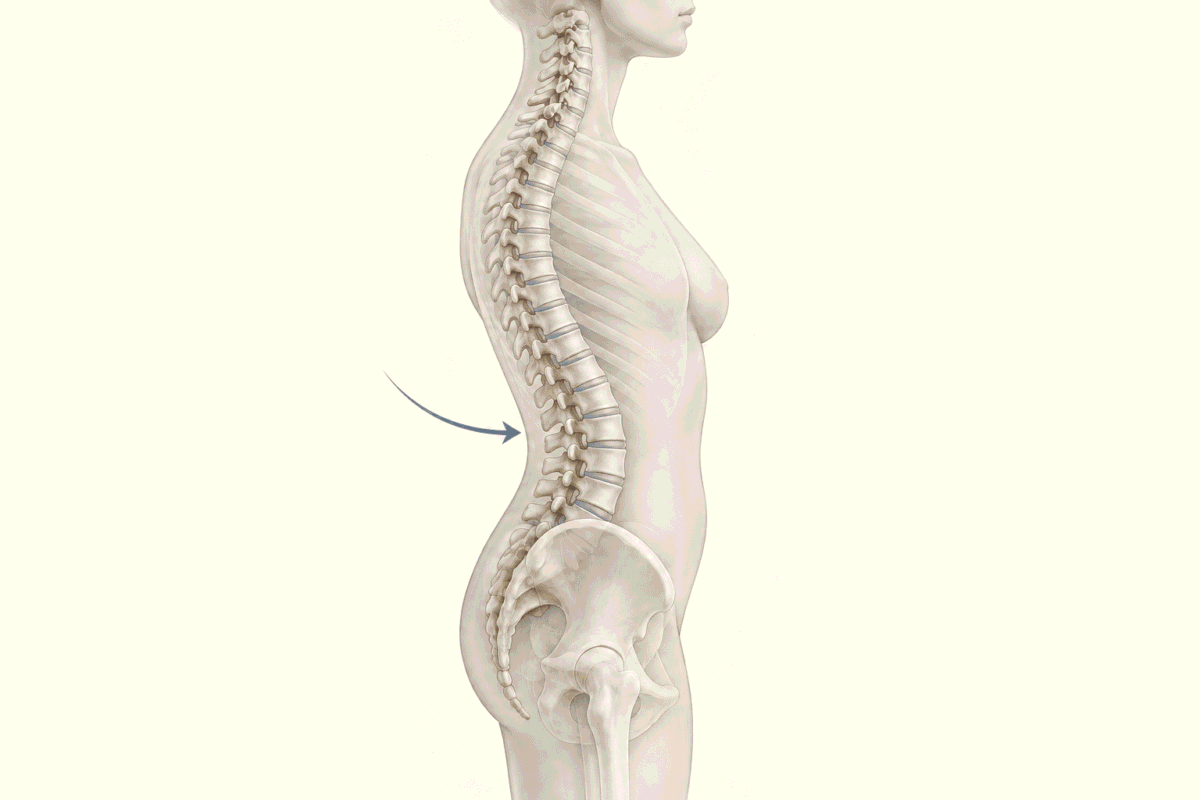
It is a fair question, especially if someone has called your back “too arched.” Yet a spine is not meant to look perfectly straight from the side. The neck and lower back normally curve inward. That curve is called lordosis.
“Is the curve in my lower back a problem?”
The shape of your back alone does not tell me why you have pain or whether you need treatment. Your symptoms, movement and health history matter more than trying to make your spine look like a diagram.
What is lordosis?
Lordosis describes the inward curve of the spine when viewed from the side. It is present in the neck, called cervical lordosis, and the lower back, called lumbar lordosis.
People sometimes use “lordosis” to mean an unusually pronounced lower-back curve. However, the word itself also describes a normal part of spinal anatomy. A visible curve is therefore not a diagnosis on its own.
A health professional may ask when you first noticed the change, whether it has progressed and whether you have pain or other symptoms. They may also look at how you stand and move, rather than judging a single photograph or posture.
Next, they consider whether the curve changes when you move. A curve that can change position is different from one that appears fixed. If a structural concern is suspected, a clinician may recommend imaging or another assessment.
Posture may show a pronounced lower-back arch or a change in how the pelvis and trunk are positioned. However, appearance cannot reveal the cause or measure the spinal curve precisely. Neither can it prove that the curve is responsible for pain.
A curve that appears to be changing, persistent or worsening pain, or symptoms such as leg weakness or altered sensation deserve appropriate clinical assessment. In a child or teenager, a noticeable change during growth is also worth discussing with a healthcare professional.
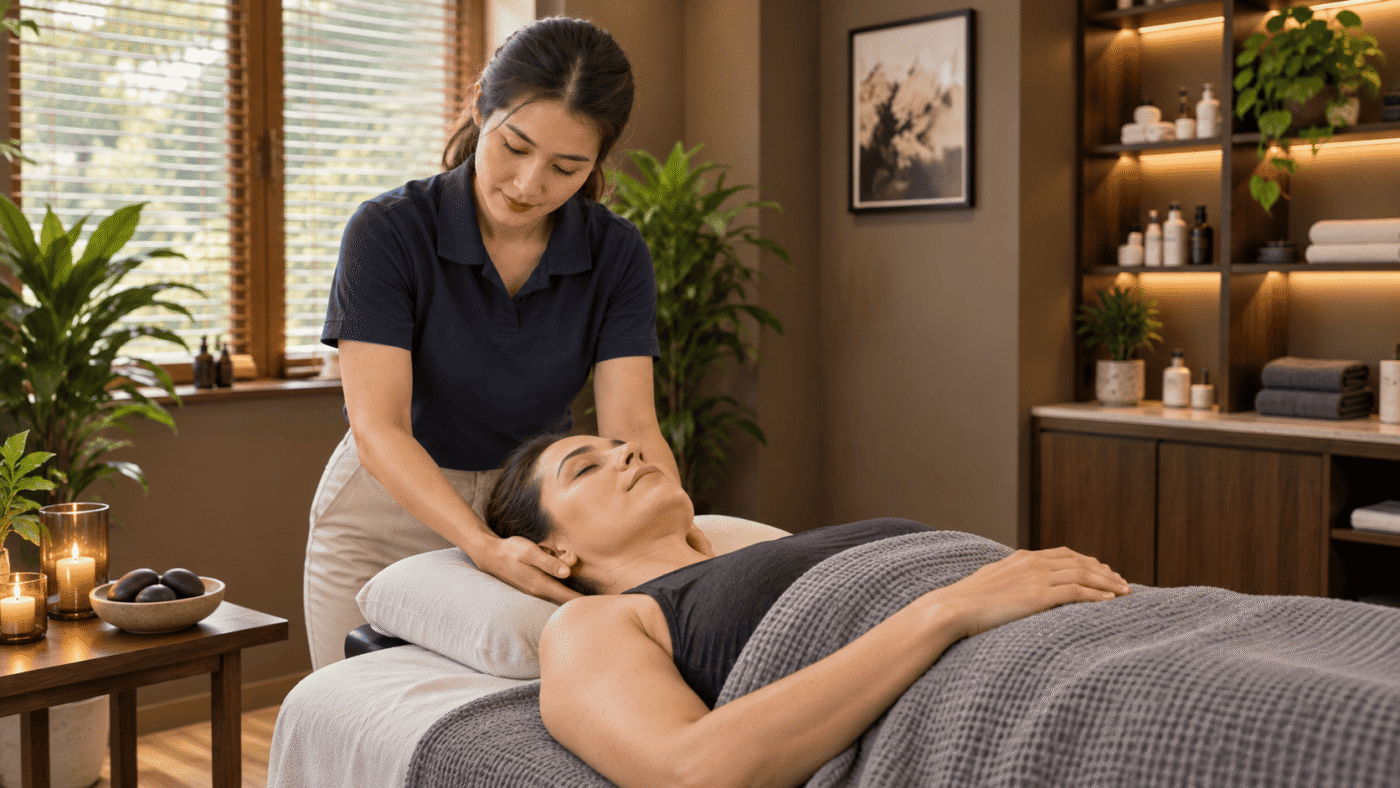
Massage does not straighten bones or correct a structural spinal curve. Still, someone with lordosis may also experience muscle discomfort or find certain positions difficult. A therapist can discuss those concerns, adapt positioning and use massage to support comfort when it is appropriate.
The result should be checked against a meaningful goal. For example, did sitting, standing or a particular movement feel more comfortable afterwards? If symptoms continue or change, the plan needs reassessment rather than repeated attempts to “press the curve away.”
*********
What should I take away from an assessment?
You should understand what was observed, what remains uncertain and what to watch for next. Most of all, the conversation should connect your symptoms to what you want to do not reduce your health to the shape of your lower back.
Yes. An inward curve in the neck and lower back is part of normal spinal shape. The question is whether a particular curve is unusually pronounced, changing or associated with a concern that needs assessment.
No. A person can have a noticeable curve without pain, while another person can have back pain with no obvious change in spinal shape. For that reason, pain should not be explained by appearance alone.
No. Lordosis describes the curve of the spine; anterior pelvic tilt describes the position of the pelvis. They can appear together, but one term does not automatically explain the other or identify the cause of someone’s symptoms.
Massage cannot change the underlying shape of spinal bones. Likewise, a generic stretch cannot be expected to “fix” every pronounced curve. If symptoms are present, the right approach depends on the person and the reason for the curve. Movement and exercise may form part of a plan to manage symptoms.
A qualified healthcare professional considers your history and examines your posture and movement. When needed, imaging can help assess the spinal structure and degree of curvature. A massage therapist’s observation alone cannot provide a structural diagnosis.
Seek assessment if the curve seems to be progressing, pain persists or worsens, or you develop weakness, numbness or other new neurological symptoms. Sudden changes in bladder or bowel control alongside back symptoms need urgent medical attention.
Your Body Talks. Learn to Listen.
A curve is information, not a verdict.
Look at the whole person before deciding what the spine needs.
Ask it. Even if you think it’s a ridiculous question.
Someone else has probably wondered exactly the same thing.
