Kyphosis
Understanding the Curve of Your Upper Back
Perhaps you have heard that so often that you now notice your shoulders every time you pass a mirror. Your upper back looks rounded, so you pull it back. A few minutes later, you relax and the curve is still there.
“Stand up straight.”
Your upper back is supposed to have a curve. Its shape alone does not tell us that something is wrong or explain why you might have pain. First, we need to understand whether the curve has changed and how you are actually feeling and moving.
What is kyphosis?
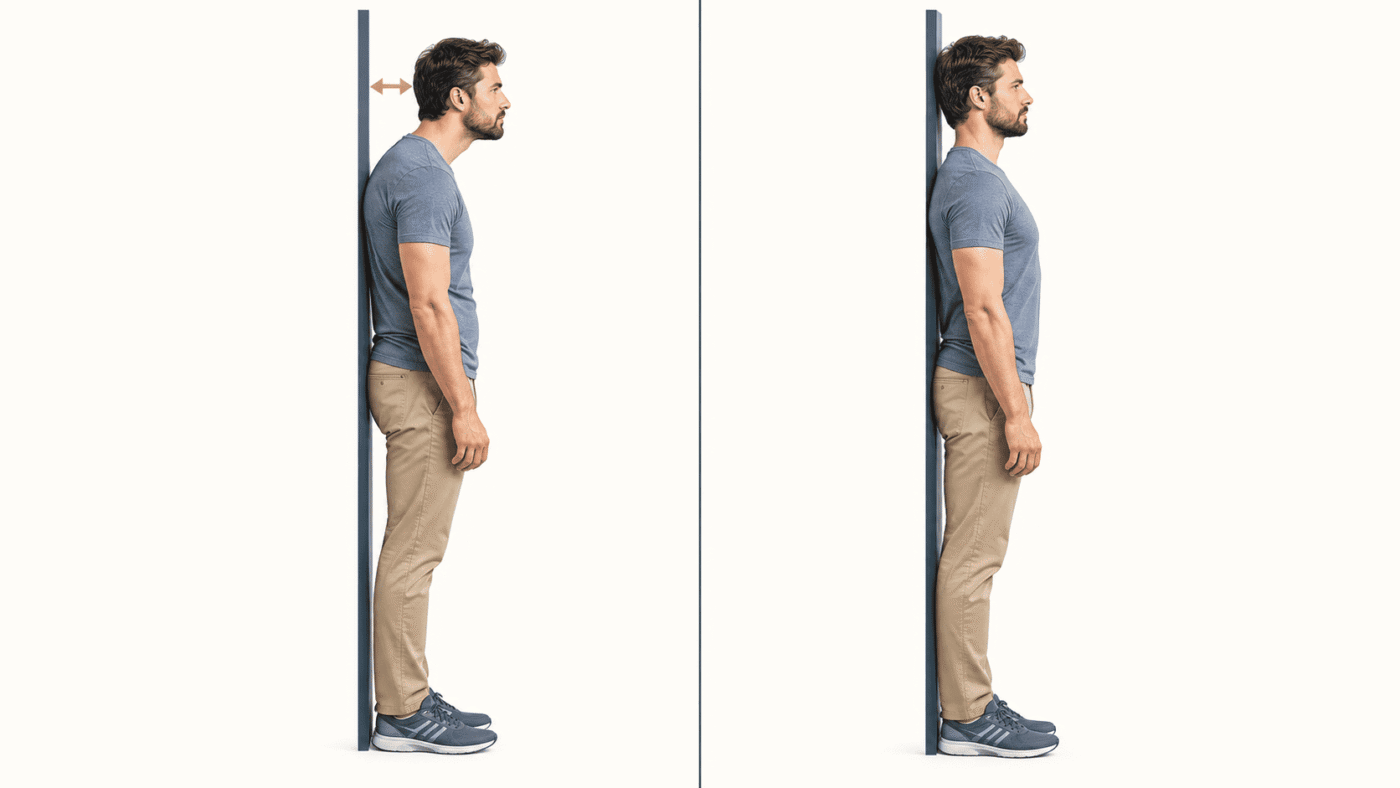
Kyphosis describes the outward curve of the spine when viewed from the side. The curve normally appears in the thoracic spine, the part of your back connected to the rib cage.
In everyday conversation, people often use “kyphosis” to mean an upper back that is more rounded than expected. That is why the word can be confusing: it names a natural curve, but it is also used when the curve becomes unusually pronounced.
A healthcare professional may ask when the rounded appearance became noticeable and whether it has changed. Your age, health history, pain, stiffness and ability to manage everyday activities also matter.
During an examination, they may look at your spine while you stand and bend forward. They may check whether the curve changes with movement or remains relatively fixed. If they suspect a structural condition, imaging such as an X-ray can help assess the bones and measure the curve.
Posture can draw attention to a more rounded upper back. However, looking at someone standing cannot tell us whether the curve comes from a flexible position, the shape of the spinal bones or another factor.
A photograph also cannot prove that the curve is causing pain. Assessment needs more than appearance.
A curve that becomes more noticeable, particularly in a growing child or teenager, deserves a clinical review. Persistent pain, increasing stiffness or difficulty with everyday activity also provide reasons to seek advice.
Severe curves can sometimes be associated with more serious symptoms, including breathing difficulty. Such symptoms need medical assessment rather than a posture correction exercise.
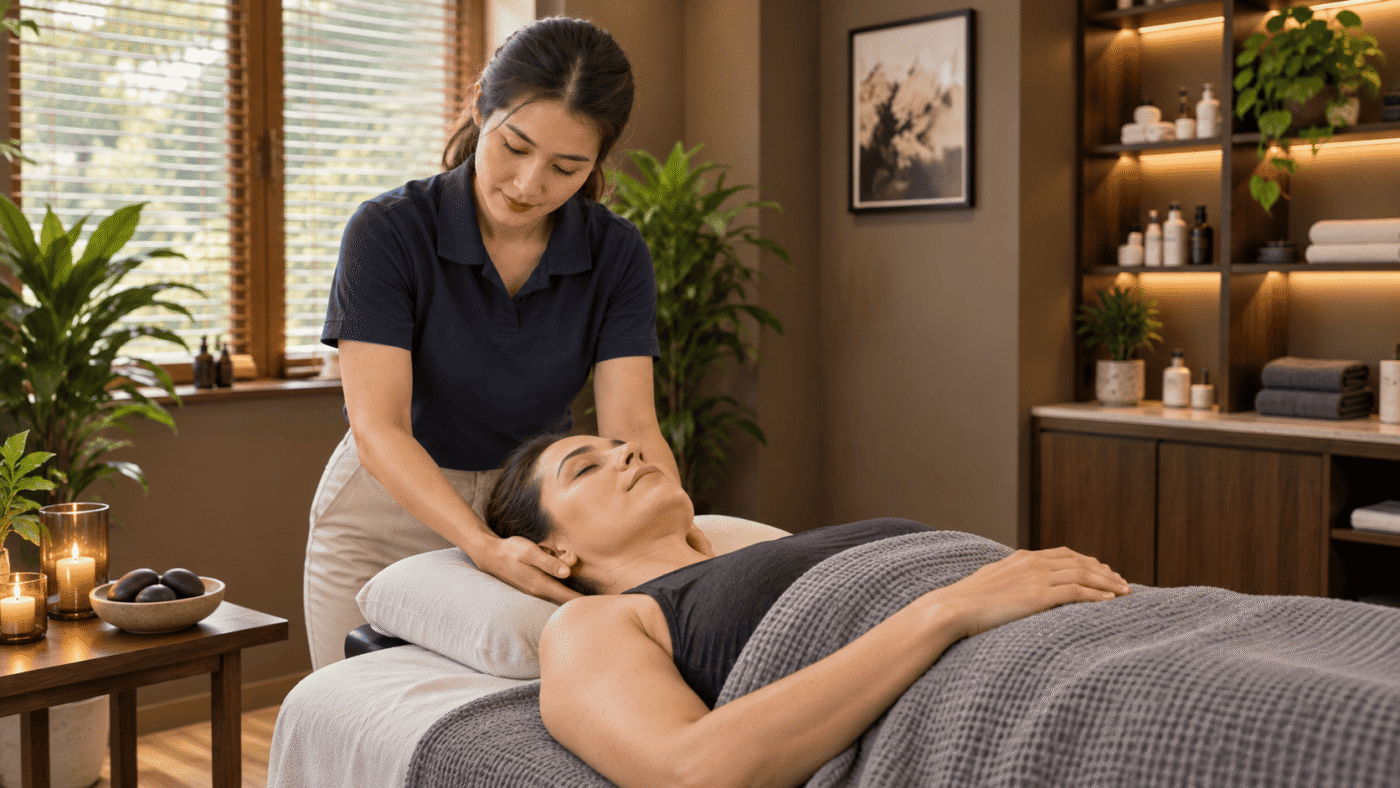
Massage cannot reshape vertebrae or correct a structural kyphosis. However, a person with a rounded upper back may also have areas of muscular discomfort. When massage is appropriate, a therapist can adapt positioning and pressure to support comfort.
The goal should be specific to the person. Perhaps sitting through work feels easier afterwards, or turning to look over a shoulder becomes more comfortable. If treatment does not help with the concern that matters, reassess the plan.
*********
Does everyone have kyphosis?
Yes. A thoracic curve is a normal part of spinal anatomy. A healthcare professional becomes concerned when the curve appears unusually pronounced, progresses or accompanies symptoms that need assessment.
No. Some curves change when a person adjusts position, while others relate to the structure of the spine. Age, spinal injury and certain health conditions may also play a role. You cannot identify the cause just by telling someone to sit up straight.
No. Many people with a rounded upper back have little or no pain. Conversely, upper-back pain can occur for reasons unrelated to the shape of the curve. The two should not be assumed to have the same cause.
No. Kyphosis concerns the curve seen from the side, usually in the upper back. Scoliosis involves a sideways curve and rotation of the spine. A person can have both, but one does not automatically mean the other is present.
Massage cannot change the shape of spinal bones. Exercise may help some people manage pain, stiffness or physical function, but it cannot be assumed to correct a structural curve. The right plan depends on the type of kyphosis and the person’s circumstances.
A qualified healthcare professional takes a history and examines the spine. When needed, an X-ray helps measure the curve and assess its structure. A massage therapist may notice a change and recommend further assessment, but visual observation alone is not a structural diagnosis.
Arrange an assessment if you notice a new or increasing curve, especially in a child or teenager, or if pain and stiffness persist. New weakness, numbness or difficulty breathing also require prompt medical attention.
Your Body Talks. Learn to Listen.
Your back does not need to look perfectly straight to be healthy.
Understand the curve, pay attention to change and symptoms, and choose the next step from the full picture not a single view in the mirror.
Ask it. Even if you think it’s a ridiculous question.
Someone else has probably wondered exactly the same thing.
