Foot Spa and Reflexology
What Is the Difference?
Perhaps you have spent the day standing, walked further than usual or simply want a quiet break. Then you see two options foot spa and reflexology—and wonder which one fits what you want.
“My feet are tired. I just want someone to take care of them.”
You do not need to believe a claim about hidden points on your feet to enjoy a foot treatment. Start with the experience you want. We can explain what each service involves and adapt it to your comfort.
Foot spa and reflexology: the practical difference
A foot spa focuses on the experience of caring for the feet, often with water and gentle hands-on work. Reflexology focuses on applying pressure to selected areas, traditionally interpreted through a reflexology map.
A provider may combine the two, but you should be able to ask for a clear explanation of what you are booking. Neither service needs to be painful to be worthwhile.
This person looks forward to a warm soak and a slower pace. Their goal is straightforward: time to rest and attention on feet that have worked hard all day.
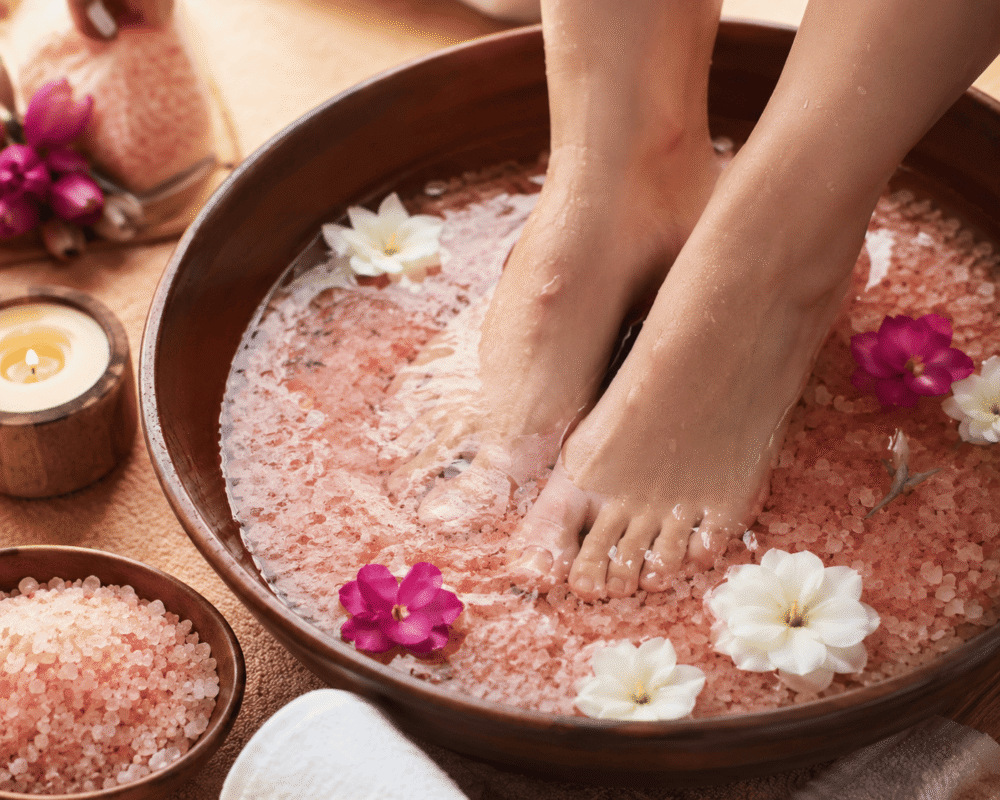
A foot spa usually centres on that experience. Depending on the service, it may include a soak, cleansing and foot massage. However, the details differ between providers, so check what is included before booking.
This person is curious about a reflexology chart. They may hope that tenderness in one area will reveal a problem elsewhere in the body.
Reflexology traditionally applies pressure to particular areas of the feet or hands. Practitioners may associate those areas with other parts of the body. Those proposed connections have not been proven to diagnose or treat problems in the corresponding organs. You can enjoy the experience without treating a foot chart as a medical test.
This person mentions a sensitive spot, a recent blister or discomfort when someone presses the arch. That information matters more to the session than any standard routine.
Tell the therapist what feels good and what you want them to avoid. In turn, they should explain the treatment and adjust the pressure. If your feet need medical or podiatry care, a foot spa or reflexology session should not take its place.
*********
How do I choose between them?
Choose a foot spa if the soak and overall foot-care experience appeal to you. Choose reflexology if you prefer focused pressure on the feet and understand its traditional approach. If you are unsure, ask the provider to describe each session before deciding.
There is no reliable proof that pressing a mapped area of the foot treats the organ assigned to it. Likewise, a tender spot cannot tell you whether that organ is healthy. If you are worried about a symptom, seek an appropriate health assessment.
No. Some areas may feel sensitive, but strong pain is a reason to ask for less pressure or to stop. The therapist should respond to your feedback rather than insist that pain means the technique is working.
It should feel comfortable, never scalding. Tell the provider if the temperature feels wrong. If you have reduced feeling in your feet, checking warmth by sensation alone may be unreliable, so discuss this before any soak.
Tell the provider about diabetes, reduced foot sensation, circulation concerns, wounds, skin infections, recent injuries or other relevant conditions. Those details may change whether a soak or hands-on treatment is suitable.
Yes. Wanting a pleasant experience is a clear reason to choose a foot spa or reflexology session. You do not have to turn relaxation into a medical claim to give it value.
Your Body Talks. Learn to Listen.
Your feet deserve attention without exaggerated promises.
A good session starts with what you want, respects what your feet can tolerate and leaves room for you to speak up.
Ask it. Even if you think it’s a ridiculous question.
Someone else has probably wondered exactly the same thing.
