

Sacroiliac joint dysfunction
Sacroiliac joint dysfunction, commonly known as SI joint pain, is a condition caused by abnormalities in the sacroiliac joint located in the pelvis. This joint connects the sacrum (the triangular bone at the base of the spine) to the ilium (part of the pelvic bone), as illustrated in Figure 1. Its primary function is to support body weight (body absorption) by transferring loads from the upper body to the pelvis and lower limbs. The two bones in this joint are connected by ligaments, such as the sacrotuberous ligament, which help distribute forces like shearing, torsion, rotation, and tension.
Excessive physical stress, abnormal movement patterns, misalignment of the bones, degenerative conditions like osteoarthritis, joint laxity (looseness), inflammation of the sacroiliac ligaments (sacroiliitis), or joint stiffness may all contribute to the dysfunction. When these factors lead to increased friction between the pelvic bones, individuals may experience pain during movement.
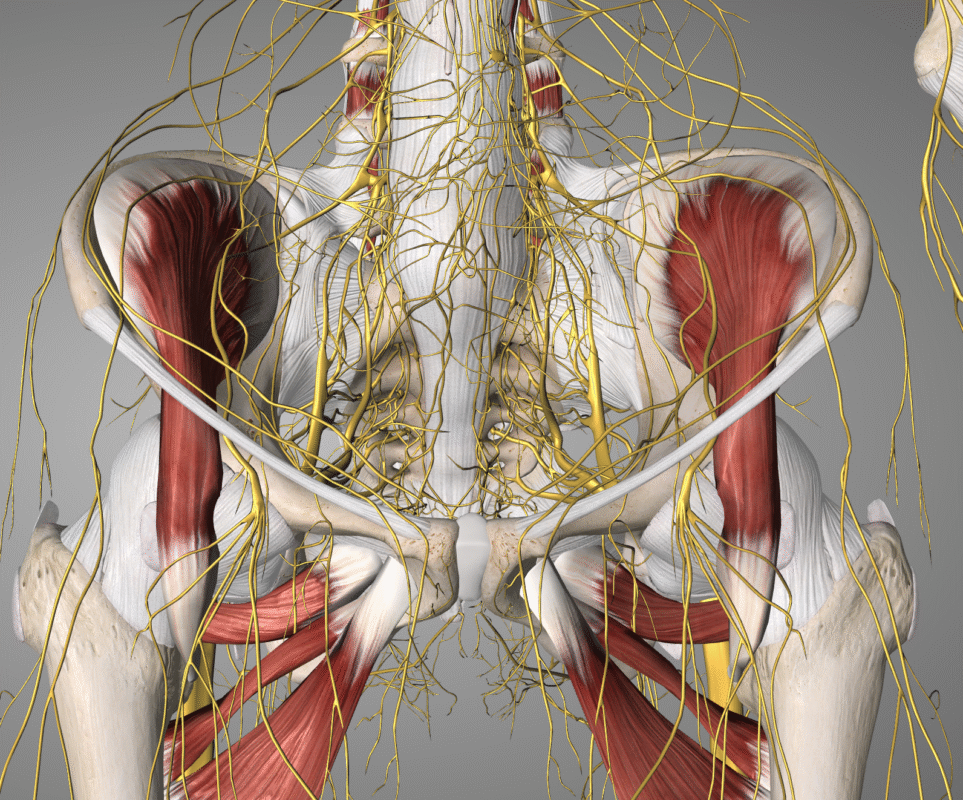
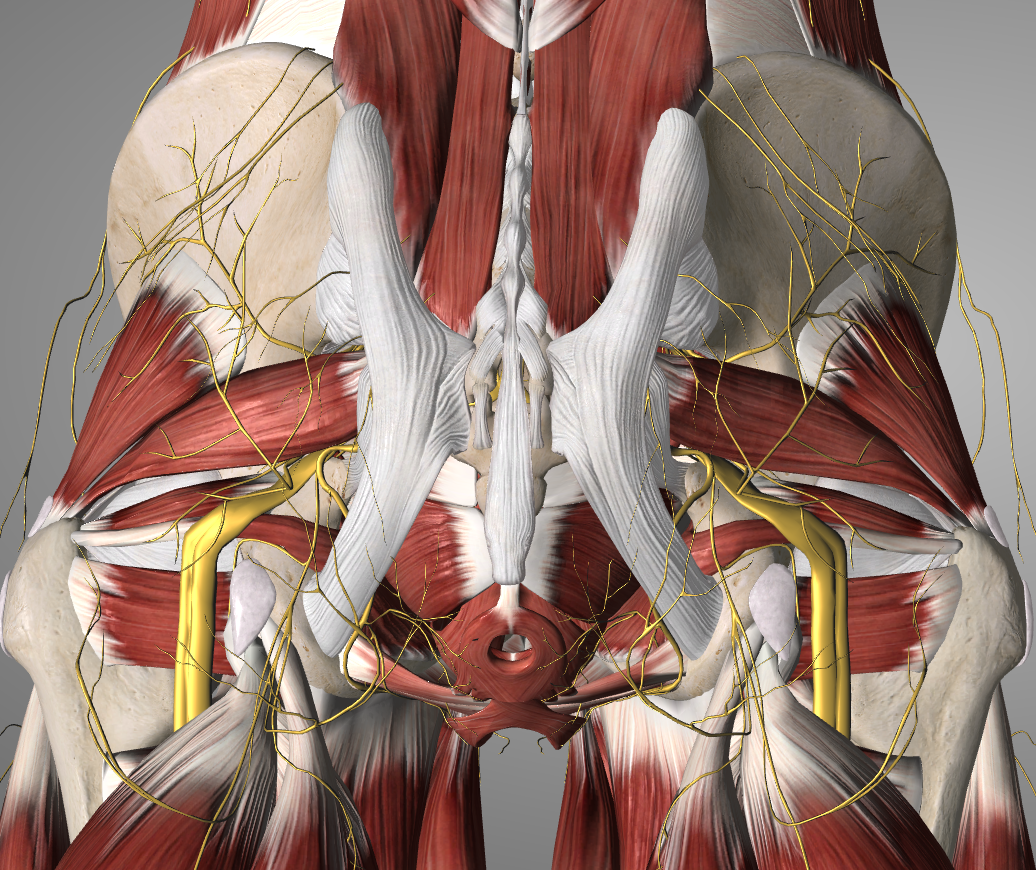
SIJ Dys.
Sacroiliac Joint Dysfunction (SI Joint Pain): Understanding the Condition
Symptoms of Sacroiliac Joint Pain:
1. Localized Pain:
– Pain around the pelvis or hip area.
– Pain triggered during specific activities such as sitting, putting weight on the affected leg while walking, lying on the painful side, walking up or down stairs, or transitioning between positions like sitting to standing or rolling over in bed.
2. Characteristic Pain Sensations:
– Sharp pain.
– Stabbing pain.
– Shooting pain that may radiate to the buttock, leg, or foot on the affected side, particularly down the back of the thigh.
3. Numbness and Neurological Symptoms:
– Numbness radiating down the leg caused by compression of the sciatic nerve near the sacroiliac joint.
– Symptoms may resemble those of disc herniation, leading to potential diagnostic confusion.
– Prolonged nerve compression may result in additional symptoms like limb weakness or fatigue in the arms or legs.
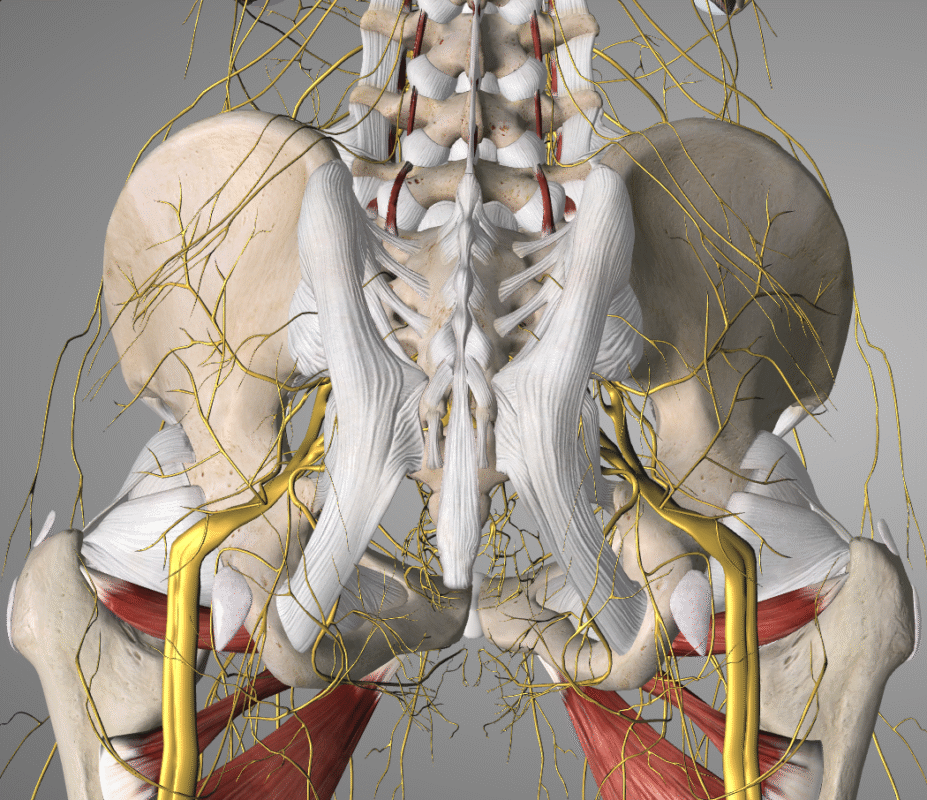
Physical Therapy for Sacroiliac Joint Pain: Objectives and Treatment Approaches
Physical therapy for sacroiliac joint pain focuses on managing inflammation during acute pain episodes and improving joint mobility and stability to restore normal function. The treatment objectives can be divided into the following areas:
1. Managing Acute Pain and Inflammation:
During episodes of ‘acute pain’, the goal is to reduce inflammation and alleviate discomfort:
– Cold Therapy: Applying a ‘cold pack’ to the affected area helps reduce pain and inflammation.
– Anti-Inflammatory Medication:
– Following a physician’s recommendation, anti-inflammatory medication may be used to complement physical therapy and further reduce swelling and pain.
2. Mobilization of the Sacroiliac Joint:
For patients with ‘joint stiffness or immobility’, physical therapists can perform techniques to help improve the movement of the sacroiliac joint:
– Joint Mobilization:
– Gentle manual techniques performed by a trained physical therapist help restore joint mobility, alleviate stiffness, and improve overall joint function.
3. Strengthening Major Muscle Groups:
Strengthening supportive muscles helps stabilize the sacroiliac joint, reduce excessive strain on the joint, and improve efficiency during daily activities:
– Key Muscle Groups:
1. Lumbar Core Stabilizer Muscles:
– These muscles (e.g., the transverse abdominis, multifidus) support the spine and lower back, providing stability to the sacroiliac joint.
2. Gluteal Muscles:
– Strengthening the hip and gluteal muscles reduces excess pressure on the joint and improves overall stability.
– Exercises:
– Targeted exercises for the core and hip promote joint stabilization and reduce excessive forces on the sacroiliac joint during activities.
4. Functional Activities for Daily Movement:
Rehabilitating the sacroiliac joint includes improving joint function and muscle coordination during essential daily tasks:
– Rehabilitation Goals:
– Enhance joint strength and movement for activities such as:
– Walking.
– Sitting down and standing up from a chair.
– Climbing up and down stairs.
By addressing inflammation, improving mobility, and strengthening associated muscles, physical therapy provides a comprehensive approach to restoring sacroiliac joint function and ensuring better performance during daily life activities.
In summary, sacroiliac joint dysfunction is a condition associated with structural or functional problems in the sacroiliac joint, leading to pain and related neurological symptoms. Proper diagnosis and management are essential for addressing the discomfort and preventing long-term complications.
WORK METHOD | REMEDIAL MASSAGE THERAPY
We like to make it easy
1
Prepare
Understand client needs, set up the space, select techniques.
2
Apply
Use targeted remedial massage techniques with client feedback.
3
Follow Up
Provide aftercare advice and suggest preventive measures.
Whether a health issue can be permanently "fixed" depends on several factors, including the nature of the condition, its cause, severity, and individual circumstances. Some health issues can indeed be resolved permanently, while others may require ongoing management or be chronic in nature. Below is a breakdown of what contributes to achieving permanent resolution or effective management:
Health Issues That Can Be Fixed Permanently
Certain health conditions can be resolved with the right treatment, lifestyle changes, or surgical intervention. Examples include:
1. Acute, Treatable Conditions:
- Infections (e.g., bacterial infections such as strep throat or UTIs) that can be cured with antibiotics.
- Injuries like fractures, cuts, or sprains, which heal with proper treatment or time.
2. Structural Problems:
- Hernias can be repaired surgically, and the issue often does not return if managed well post-surgery.
- Gallstones or kidney stones may be resolved permanently through medical or surgical treatment.
3. Deficiency-Related Issues:
Nutritional deficiencies (e.g., iron deficiency or Vitamin D deficiency) can often be corrected with supplements and dietary changes.
4. Lifestyle-Related Conditions:
Obesity, high blood pressure, or prediabetes can often be resolved permanently if proper lifestyle changes (diet, exercise, stress reduction) are adopted early before permanent damage occurs.
5. Malformations or Congenital Defects:
Certain surgical procedures can correct structural abnormalities (e.g., cleft palate or heart defects) permanently.
Chronic or Long-Term Conditions
For many chronic conditions, a "permanent fix" may not be achievable. However, symptoms can often be managed effectively to improve quality of life and minimize progression. Examples include:
1. Degenerative Conditions:
Diseases like osteoarthritis, sacroiliac joint dysfunction, or osteoporosis cannot always be reversed, but proactive prevention, lifestyle adjustments, physical therapy, and medication can manage symptoms effectively.
2. Autoimmune Disorders:
Conditions like rheumatoid arthritis, multiple sclerosis, or lupus may require ongoing management (e.g., immunosuppressive medication or therapies). While underlying causes cannot often be "cured," flares and progression can be controlled.
3. Genetic or Congenital Disorders:
Genetic conditions (e.g., cystic fibrosis or sickle cell anemia) typically cannot be cured permanently but can benefit from treatments targeting symptoms, functional improvements, and quality of life.
4. Mental Health Disorders:
Conditions like anxiety, depression, or bipolar disorder often require long-term management rather than a permanent fix. Psychotherapy, pharmacological support, and lifestyle changes can stabilize symptoms.
Conditions That Require Ongoing Monitoring
Some conditions may seem "solved" after treatment, but ongoing monitoring is critical to ensure they don’t recur:
1. Cancer:
Cancer can sometimes go into complete remission after surgery, chemotherapy, and/or radiation therapy, but periodic follow-ups are essential to watch for recurrence.
2. Heart Conditions:
Blockages or arrhythmias may be treated with stents, pacemakers, or therapy, but ongoing monitoring and lifestyle optimization are necessary to avoid recurrent issues.
3. Infections:
Some infections (e.g., certain viruses like HIV or hepatitis B) persist as chronic conditions requiring lifelong management.
Factors That Affect Permanent Resolution
Whether a health issue can be fixed permanently depends on the following:
1. Nature of the Condition:
Acute or temporary conditions are more likely to be resolved permanently than chronic or progressive disorders.
2. Timing of Diagnosis and Treatment:
Early diagnosis and intervention can prevent progression and enhance chances of recovery.
3. Individual Behavior and Lifestyle:
Adaptation of healthy behaviors (proper nutrition, regular exercise, avoiding harmful habits) can significantly improve outcomes.
4. Advancements in Medicine:
For some previously incurable conditions, medical advancements (e.g., gene therapy or regenerative medicine) are providing new hope.
5. Genetics and Physiological Differences:
Genetic factors may predispose individuals to certain conditions, making them more difficult to permanently resolve.
Steps Toward Resolution
If permanent resolution or management of your health issue is a priority, here are steps that can help:
1. Get an Accurate Diagnosis:
Work with your healthcare provider to ensure the condition is properly evaluated and understood.
2. Choose the Right Treatment Plan:
Follow prescribed treatments (medications, therapy, surgeries) diligently.
3. Adopt Preventive Healthcare Practices:
Focus on a healthy lifestyle, regular exercise, stress management, and regular medical checkups to prevent recurrence or complications.
4. Investigate Alternative Approaches:
Explore complementary treatments like physiotherapy, acupuncture, or dietary changes when approved by your doctor.
5. Focus on Mental and Emotional Health:
Many physical conditions are influenced by psychological factors. Mindfulness, counseling, and stress reduction can support physical recovery.
Realistic Expectations
While some conditions can be fixed permanently, others require ongoing management. However, even for chronic or incurable conditions, medical advancements and consistent care strategies can significantly improve quality of life, functionality, and well-being.
If you are dealing with a specific health condition, consult with your healthcare provider for tailored advice, and remember that many health issues can be mitigated or greatly improved with commitment to treatment and lifestyle changes.
Massage therapy is a physical treatment method and cannot provide in-depth analysis or research regarding overall health. As such, massage should only be considered as one of many available options. However, if we were to analyze it from a cause-and-effect perspective, massage therapy can be quite a smart choice. This is because it can give you instant relief and relaxation—or, in some cases, even permanently cure certain conditions.
Most people desire permanent treatments, like surgery, but in practice, no hospital can fully guarantee that you will be healed from all health problems. Worse, some health issues that could have been temporarily alleviated may become chronic or permanent problems instead.
I frequently massage clients who have undergone spinal surgery. While the surgery itself may be quick, the recovery period often takes months. During this time, patients are unable to bend forward at all due to the inevitable formation of scar tissue at the surgical site, which continues to build up over time.
I once treated a neurologist who came to me with tightness in his neck and early signs of memory lapses. From a massage therapy perspective, it's believed that if nerves are excessively compressed or tightened, poor blood circulation can result, leading to health problems. This is because blood is responsible for transporting nutrients and oxygen to various parts of the body. However, the neurologist argued that this reasoning was unsound because, in cases where patients experience memory loss or abnormalities, chemical tests consistently reveal positive results. When positive results are observed, treatments are then focused on medications or surgery.
In reality, however, these chemicals are not created in the brain itself; instead, they originate from the nutrients supplied by blood circulation that pumps up from the heart.
Conclusion:
The effectiveness of massage therapy versus modern medical treatments depends on the nature of the health issue and individual circumstances. Both approaches have their strengths and limitations, and they often complement each other rather than compete.
Massage Therapy:
Massage focuses on promoting relaxation, improving blood circulation, relieving muscle tension, and addressing some physical pain or discomfort. It is particularly effective for conditions related to stress, muscle tightness, postural imbalances, and recovery from physical strain. Massage therapy can be considered a natural approach and may help prevent certain issues from worsening. However, it is not ideal for diagnosing or treating serious medical conditions.
Modern Medical Treatment:
Modern medicine is backed by scientific research and is designed to diagnose, treat, and manage a wide range of conditions, whether acute, chronic, or life-threatening. Treatments include medication, surgery, advanced diagnostic tools, and therapies targeting specific diseases or conditions. While it is the go-to solution for serious health problems, it may carry risks such as side effects from medication or complications from surgery.
Which is better?
Neither is inherently "better" than the other. Massage is a great option for prevention, relaxation, and managing minor issues. Modern medicine is essential for diagnosing and treating serious conditions. Ideally, both approaches should be used together, depending on the situation, to optimize health and well-being.
Massage is an essential practice for maintaining physical and mental well-being. It helps relieve tension in the muscles, improves blood circulation, reduces stress, and promotes relaxation. Regular massage therapy can also aid in preventing various health issues, such as chronic pain, postural imbalances, and stiffness caused by stress or prolonged inactivity.
Getting a massage at least once a year allows the body to reset, release accumulated tension, and support better overall health. By making massage a yearly habit, you give yourself an opportunity to assess and address areas of discomfort or stiffness before they develop into more serious issues. It's a proactive way to care for your body and boost emotional balance, especially in today’s fast-paced, stressful world.
